Verbier is easily accessible by various means of transport.
Where to stay
Explore available accommodation options in Verbier.
Eat & drink
Explore a selection of places to eat or drink during your visit to Verbier.
Venues & Accessibility
Learn more about our performance venues and accessibility.
Your experience at the Verbier Festival
We value your feedback. Share it with us here.
Offers
Flex Pack
20% discount starting 7 concerts purchased from the Mainstage programme (excluding Carré Or).
Day Pass
10% discount when you book 2 or more concerts on the same day.
Combins Pass
Attend all evening concerts at Salle des Combins (Carré Or) from the 16th of July 2025 to the 2rd of August 2025. Contact the Ticket Office to buy your Pass.
Gift card
Share your passion for classical music by offering a Verbier Festival gift card.
Bagnard
40% discount for permanent residents of Commune de Val de Bagnes.
Under 35
For adults under 35 years old for all Mainstage concerts.
Students
For students upon presentation of valide ID for all Mainstage concerts.
Children
For children under 12 for all Mainstage concerts.
The Verbier Generation
At the heart of the Festival's mission: nurturing the next generation of great artists.
Academy Programme
From musical training to musicpreneurship - empowering young musicians to embrace their artistry and forge meaningful careers in music
Masterclasses Shenzhen 2026
In China, a week of masterclasses with artists of the Verbier Festival.
Masterclasses Verbier 2026
Programme at a glance - Masterclasses are among the Festival's most popular events.
Students 2026
Discover the students of the Academy, Orchestra Training programmes and Shenzhen masterclasses
Prizes & Honours
Celebrating the Academy's most outstanding talents, including the Prix Yves Paternot - its most prestigious distinction.
Success Stories
Meet alumni making their mark.
The Verbier Generation
At the heart of the Festival's mission: nurturing the next generation of great artists.
Orchestra Training Programmes
The Verbier Festival Orchestra Training Programmes have become a rite of passage for today's exceptional young orchestral musicians and conductors.
Students 2026
Discover the students in the orchestra training programs
Success Stories
Meet alumni making their mark.
VFCO
The Verbier Festival Chamber Orchestra, the Festival’s worldwide ambassador, unites exceptional alumni of its Orchestra Training Programmes who now perform with some of the world’s leading orchestras.
Summer 2026
Your summer of unlimited music starts with these concerts.
Buskers 2026
Calling all street performers! Apply now to play at next summer's Verbier Festival.
Aftermovie 2025
Relive the energy, the music and the moments that made UNLTD 2025 shine.
UNLTD Collective
Alumni of the Verbier Festival Academy creating bold, original projects for today.
Amplifiers
Join the community that helps UNLTD spark new sounds and ideas.
Summer 2026
Concerts, workshops and outdoor fun for children during the Verbier Festival.
Storytellers in the Classroom
A journey through words, music and images to dream and create.
Drawing Contest
A creative contest inviting children to draw through music.
Zoo
Short animated films inspired by The Carnival of the Animals.
Ludwig's World
An interactive playspace to discover Beethoven.
Amplifiers
Amplifiers help VF KiDS grow and keep the magic of music alive.
Verbier Festival Gold
Gems from the Festival archives.
VF Collection
An ambitious heritage project that extends our artistic mission beyond the summer season.
Virtual Hall®
The Verbier Festival presents its first virtual reality experience, in partnership with Cybel’Art.
Jukebox
An immersive audiovisual space for archival treasures.
Broadcast and Streaming
The Verbier Festival lets music-lovers worldwide enjoy concerts live or on replay.
Apple Music Classical
The Verbier Festival is pleased to announce its partnership with Apple Music Classical.
Public Funders
The Verbier Festival thanks its public funding partners for their unwavering support.
Our Sponsors
The Verbier Festival thanks its sponsors and partners for their valuable support.
The Entrepreneurs’ Circle
The Entrepreneurs’ Circle aims to become the Verbier Festival’s economic partner network.
Cercle des Combins
The Cercle des Combins connects the people who make our local economy thrive in a truly authentic setting.
Donors to the Friends
The Friends is a group of music-loving donors whose support has been a cornerstone of the Festival’s rise to the top.
Become a Friend
Become a Friend and enjoy numerous benefits to fully experience the Verbier Festival.
Patrons
The Verbier Festival is grateful to its philanthropic patrons for their generous support.
Legacy Giving
Help us build a sustainable future.
Founder & Director
En 1991, Martin Engstroem put the wheels in motion for what in 1994 would become the Verbier Festival & Academy.
Sustainability
Our Corporate Social Responsibility policy.
Contact
Our telephone numbers, email and postal addresses, office hours and directory of personnel.
Board of Directors
Learn more about the Verbier Festival's Board of Directors.
Your experience at the Verbier Festival
We value your feedback. Share it with us here.
深圳·韦尔比耶音乐节 2026
Verbier Festival 2026 Shenzhen
The inaugural Verbier Festival in Shenzhen: 30 January to 8 February 2026
What they say about us
The Festival as seen by the international press.
Press Enter to search
News Archive
Our past stories
Kane Brendan
10 Jan 2024
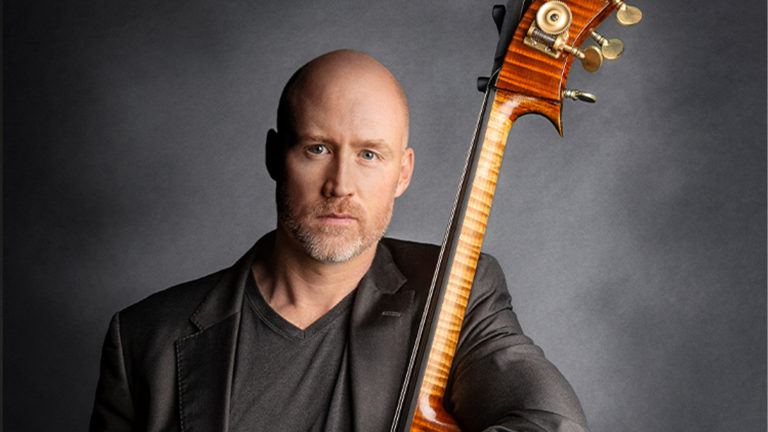
Double Bassist Brendan Kane has performed extensively throughout North America, South America, Europe, Asia, the Middle East and Australia. Mr. Kane is the former principal bass of the Israel Philharmonic Orchestra upon being appointed and tenured by Music Director Lahav Shani. Prior to the IPO, he was a member of the MET Orchestra for nine […]
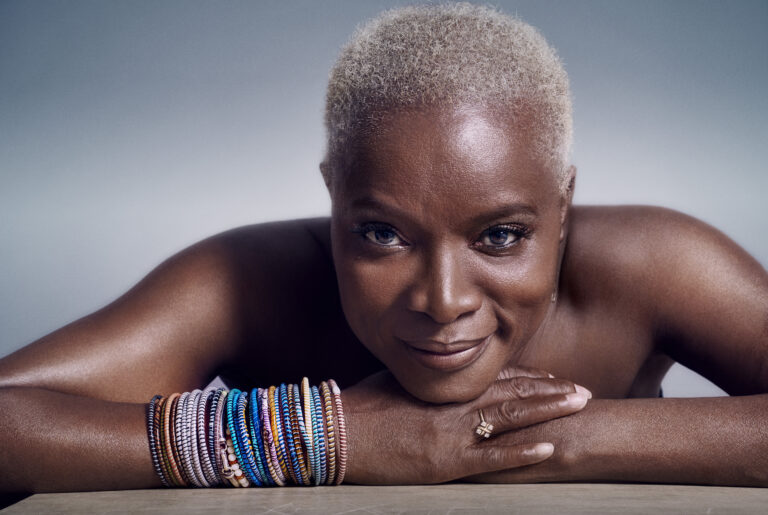
Time Magazine has called her “Africa’s premier diva”, and named her one of the 100 most influential people in the world for 2021. The BBC has included her in its list of the continent’s 50 most iconic figures, and in 2011 The Guardian listed her as one of their Top 100 Most Inspiring Women in […]
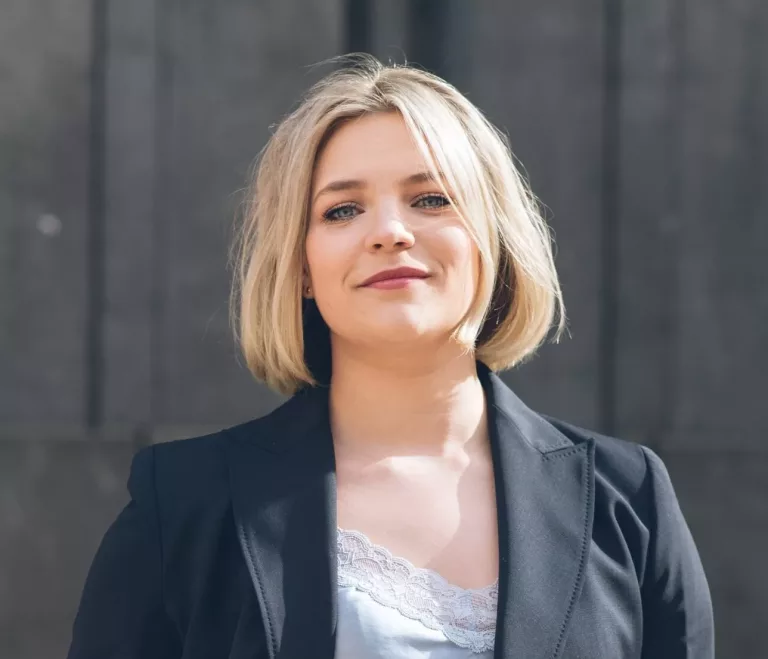
With a repertoire spanning from baroque to contemporary, including opera, Lied and oratorio, young Swedish mezzo-soprano Rebecka Wallroth is attracting increasing international attention. Rebecka began the season at the National Theatre in Prague, portraying Idamante in Calixto Bieito’s new production of Idomeneo. From the 2025/26 season, she has joined the soloist ensemble at the Staatsoper […]
A bass-baritone from the Veneto region, he began studying opera singing under the guidance of the Lieder soprano Argit Butzke; he is currently specialising with the American teacher Sherman Lowe. In 2013 he won the First Prize at the XVI Giovan Battista Velluti International Competition and the Absolute Popular Jury Award. He is a finalist […]
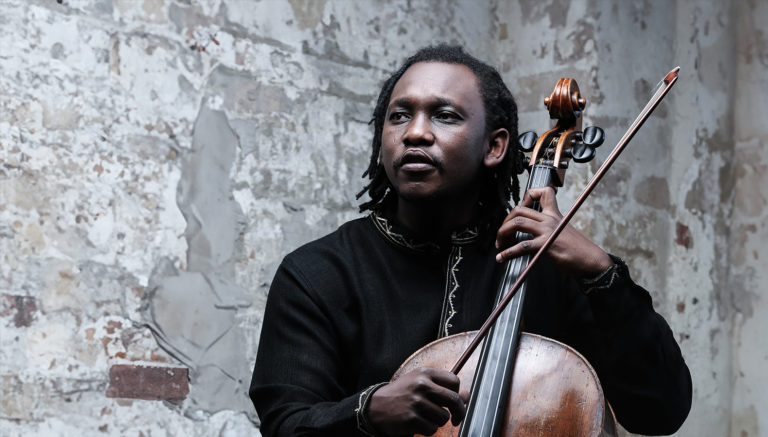
South African cellist Abel Selaocoe is redefining the parameters of the cello. He moves seamlessly across a plethora of genres and styles, from collaborations with world musicians and beatboxers, to concerto performances and solo classical recitals. Abel combines virtuosic performance with improvisation, singing and body percussion, and has a special interest in curating recital programmes […]
Timothy Ridout, a BBC New Generation Artist and Borletti-Buitoni Trust fellow, is one of the most sought-after violists of his generation. This season he appears as soloist with the BBC Symphony Orchestra, Tokyo Metropolitan, hr-Sinfonieorchester, Odense, San Jose symphony orchestras and Netherlands Chamber Orchestra, amongst others. In 2020, Ridout won Hamburger Symphoniker’s inaugural Sir Jeffrey […]
Jérémie Moreau, born in 1999, began playing the piano at the age of 7 with Françoise Ragon. He also studied ballet for 7 years, but eventually gave up this discipline to devote himself to music. At the same time, he entered Anne-Lise Gastaldi’s class at the CRR in Paris, where he was introduced to the […]
Recognised by the international press as one of the great specialists in 18th-century keyboard music, Swiss-Italian pianist Olivier Cavé was a disciple of three piano legends; Maria Tipo, Aldo Ciccolini and Nelson Goerner. In December 2015, the American magazine Forbes ranked his album “Chiaro e scuro: Haydn & Scarlatti” as the No. 1 classical album […]
Robin Fourmeau is one of the most dynamic and versatile percussionists of his generation. A member of the Sinfonieorchester Basel since 2017, he has carved out a career that spans the symphonic stage, chamber music, and cutting-edge contemporary work. After studying at the Haute école de musique de Genève and the Zürcher Hochschule der Künste, […]
Domingo Hindoyan is Chief Conductor of the Royal Liverpool Philharmonic Orchestra and Music Director Designate of Los Angeles Opera, where he will begin his tenure as Music Director in the 2026/27 season. Since beginning his tenure in Liverpool, Hindoyan has shaped a distinctive artistic vision with the orchestra, marked by highly praised performances, dynamic programming, […]