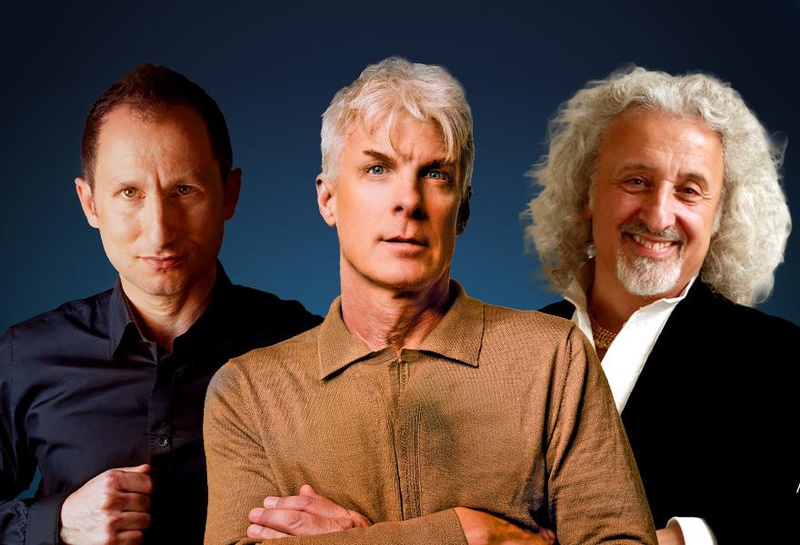
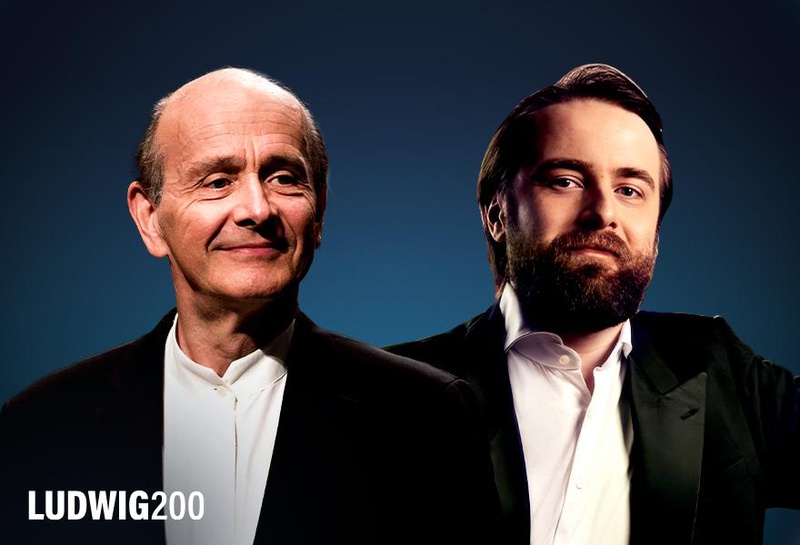
GÁBOR TAKÁCS-NAGY / MARTIN FRÖST
© Aline Paley, Mats Bäker
Brahms, Mozart, G. Fröst, M. Fröst, Mendelssohn
Gábor Takács-Nagy and Martin Fröst take us on a thrilling musical journey. After Brahms’s irresistible Hungarian Dances, the clarinet reveals its full emotional power (Mozart’s Concerto) and its astonishing rhythmic agility (Nomadic Dances by the Fröst brothers). To close, we finally reach safe harbour in the northern mists of Mendelssohn’s Symphony No. 3 ‘Scottish’. Happy the traveller who, like the Verbier Festival Chamber Orchestra, has made a fine voyage…
Programme
JOHANNES BRAHMS (1833-1897)
Hungarian Dances Nos. 1–6 WoO 1
WOLFGANG AMADEUS MOZART (1756-1791)
Clarinet Concerto in A major K. 622
GÖRAN FRÖST (1960-) / MARTIN FRÖST (1970-)
Nomadic Dances (Verbier Festival Version)
Interval
FELIX MENDELSSOHN (1809-1847)
Symphony No. 3 in A minor Op. 56 “Scottish”
Artist(s)
- Verbier Festival Chamber Orchestra
- Gábor Takács-Nagy conductor
- Martin Fröst clarinet
Martin Fröst performs Anna Clyne’s Weathered: Clarinet Concerto in Verbier (VFCO, Gábor Takács-Nagy)
Find out more
The Hungarian Dances are among Brahms’s most popular works. Far from the musicological precision that a Bartók would later bring, the German composer drew on melodies he heard in the cafés of Vienna to create savoury folk-inspired pieces, set with a typically Brahmsian melancholy. With Martin Fröst, we remain in Vienna for one of the most heart-rending works in the repertoire. A sublime swansong, Mozart’s Clarinet Concerto is one of the absolute summits of the instrument. In the autumn of 1791, however, the Austrian composer’s physical, social and financial situation was disastrous. He did not yet know it but he had only two months left to live. It was his encounter with the virtuoso Anton Stadler, inventor of the basset clarinet (a lower-pitched clarinet), that led Mozart to write this graceful concerto, which culminates in a slow movement of timeless beauty. Let us then take the byways with the Nomadic Dances devised by Martin and Göran Fröst: explosive music that explores, with great rhythmic freedom, a variety of instrumental traditions. Still under the guidance of Gábor Takács-Nagy, we finally reach safe harbour in the northern mists of Mendelssohn’s Symphony No. 3 ‘Scottish’. The finale, hymn-like, irresistibly evokes a chorus of Celtic men. Happy he who, like the Verbier Festival Chamber Orchestra, has made a fine journey…