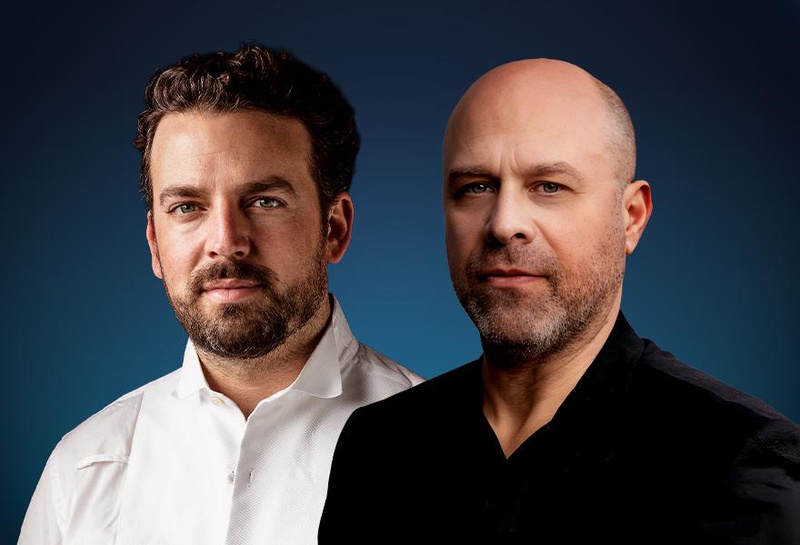
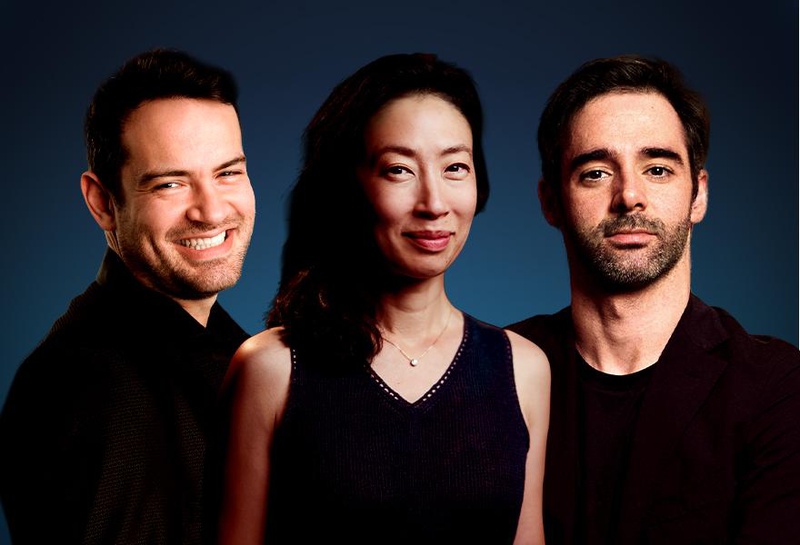
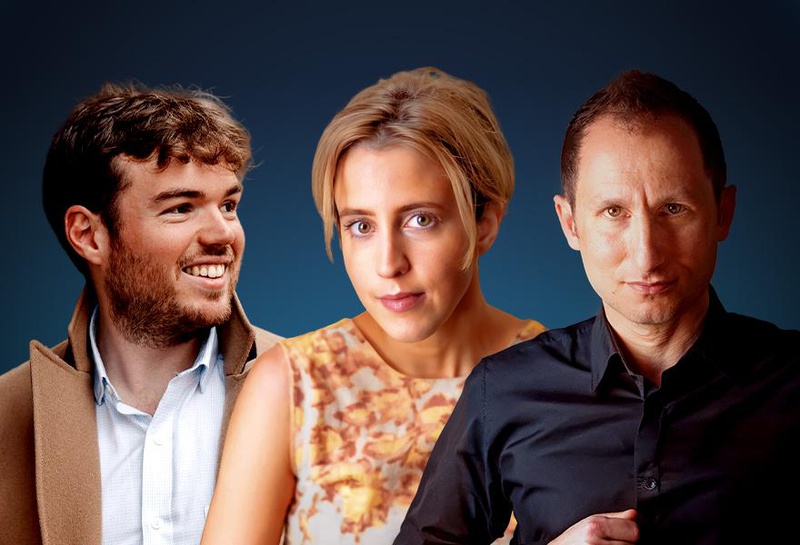
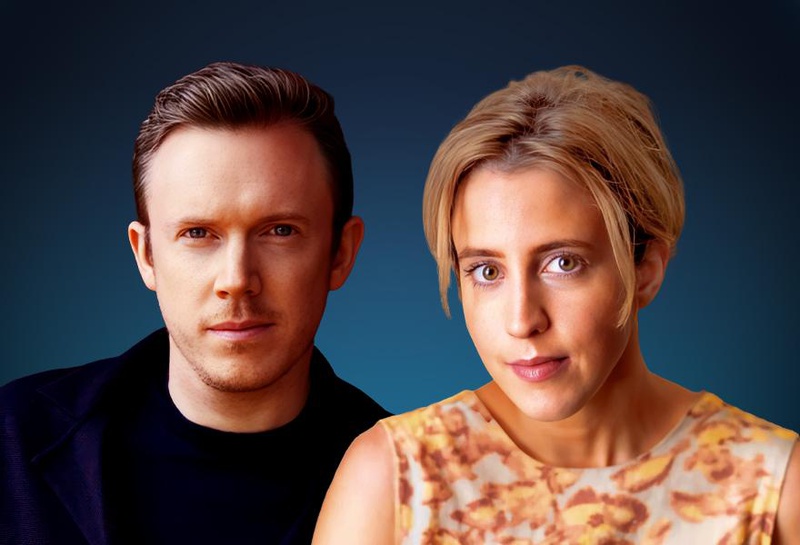
JAMES GAFFIGAN / VILDE FRANG / TIMOTHY RIDOUT
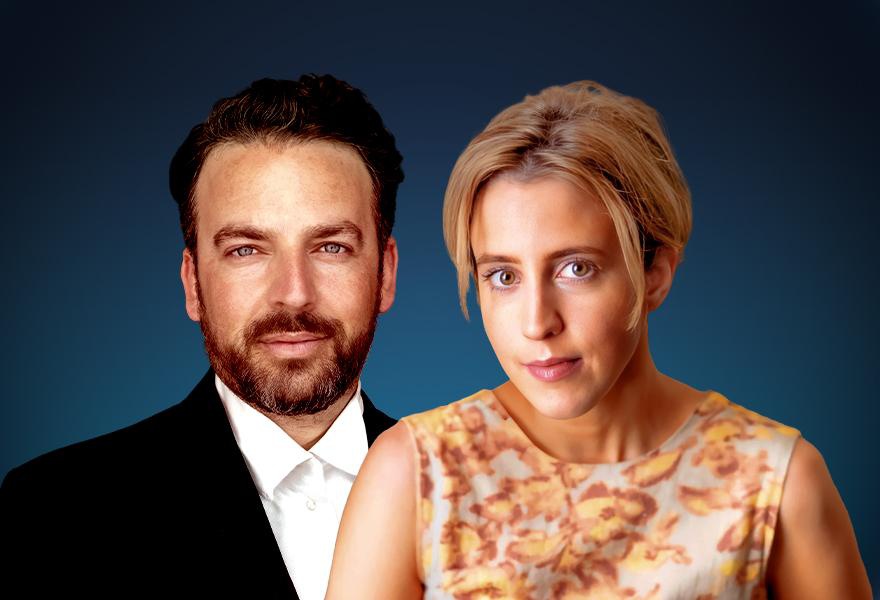
Talent knows no age, as the saying goes. In 1932, Benjamin Britten was 19 (barely older than the musicians of the Verbier Festival Junior Orchestra) but the British composer was already wholly himself in his Double Concerto, brought to life this afternoon by violinist Vilde Frang and violist Timothy Ridout. In the second part, conductor James Gaffigan leads one of the most popular masterpieces of the repertoire: Tchaikovsky’s irresistible Symphony No. 5.
Programme
BENJAMIN BRITTEN (1913-1976)
Double Concerto for Violin, Viola and Orchestra in B minor
PYOTR ILYICH TCHAIKOVSKY (1840-1893)
Symphony No. 5 in E minor Op. 64
Concert without interval
Artist(s)
- Verbier Festival Junior Orchestra
- James Gaffigan conductor
- Vilde Frang violin
- Timothy Ridout viola
Vilde Frang plays Mozart: Violin Concerto No. 5 in A Major, K. 219 “Turkish”: I. Allegro aperto
Find out more
No one is serious at 17, declared the poet Rimbaud. A student at the Royal College of Music in London, the teenage prodigy Britten began writing a double concerto that he soon abandoned in favour of a Sinfonietta, the official Opus 1 of his output. It was not until 1997 that this concerto for viola and violin, whose instrumental lyricism is already characteristic of the British composer, received its premiere. In 1888, Tchaikovsky had not written a symphony for ten years. The Russian composer wrote to his patron Nadezhda von Meck: ‘I am now working with redoubled energy; I have a terrible desire to prove not only to others, but to myself, that my inspiration is not yet exhausted’. Grandiose, the Symphony No. 5 thus moves through a whirlwind of epic passions, interspersed with islands of consolation. The intimate second movement contains one of the most famous horn solos in the repertoire. As for the Finale, it is unquestionably triumphant, like a victory (ephemeral?) over fate.