Verbier is easily accessible by various means of transport.
Where to stay
Explore available accommodation options in Verbier.
Eat & drink
Explore a selection of places to eat or drink during your visit to Verbier.
Venues & Accessibility
Learn more about our performance venues and accessibility.
Your experience at the Verbier Festival
We value your feedback. Share it with us here.
Offers
Flex Pack
20% discount starting 7 concerts purchased from the Mainstage programme (excluding Carré Or).
Day Pass
10% discount when you book 2 or more concerts on the same day.
Combins Pass
Attend all evening concerts at Salle des Combins (Carré Or) from the 16th of July 2025 to the 2rd of August 2025. Contact the Ticket Office to buy your Pass.
Gift card
Share your passion for classical music by offering a Verbier Festival gift card.
Bagnard
40% discount for permanent residents of Commune de Val de Bagnes.
Under 35
For adults under 35 years old for all Mainstage concerts.
Students
For students upon presentation of valide ID for all Mainstage concerts.
Children
For children under 12 for all Mainstage concerts.
The Verbier Generation
At the heart of the Festival's mission: nurturing the next generation of great artists.
Academy Programme
From musical training to musicpreneurship - empowering young musicians to embrace their artistry and forge meaningful careers in music
Masterclasses Shenzhen 2026
In China, a week of masterclasses with artists of the Verbier Festival.
Masterclasses Verbier 2026
Programme at a glance - Masterclasses are among the Festival's most popular events.
Students 2026
Discover the students of the Academy, Orchestra Training programmes and Shenzhen masterclasses
Prizes & Honours
Celebrating the Academy's most outstanding talents, including the Prix Yves Paternot - its most prestigious distinction.
Success Stories
Meet alumni making their mark.
The Verbier Generation
At the heart of the Festival's mission: nurturing the next generation of great artists.
Orchestra Training Programmes
The Verbier Festival Orchestra Training Programmes have become a rite of passage for today's exceptional young orchestral musicians and conductors.
Students 2026
Discover the students in the orchestra training programs
Success Stories
Meet alumni making their mark.
VFCO
The Verbier Festival Chamber Orchestra, the Festival’s worldwide ambassador, unites exceptional alumni of its Orchestra Training Programmes who now perform with some of the world’s leading orchestras.
Summer 2026
Your summer of unlimited music starts with these concerts.
Buskers 2026
Calling all street performers! Apply now to play at next summer's Verbier Festival.
Aftermovie 2025
Relive the energy, the music and the moments that made UNLTD 2025 shine.
UNLTD Collective
Alumni of the Verbier Festival Academy creating bold, original projects for today.
Amplifiers
Join the community that helps UNLTD spark new sounds and ideas.
Summer 2026
Concerts, workshops and outdoor fun for children during the Verbier Festival.
Storytellers in the Classroom
A journey through words, music and images to dream and create.
Drawing Contest
A creative contest inviting children to draw through music.
Zoo
Short animated films inspired by The Carnival of the Animals.
Ludwig's World
An interactive playspace to discover Beethoven.
Amplifiers
Amplifiers help VF KiDS grow and keep the magic of music alive.
Verbier Festival Gold
Gems from the Festival archives.
VF Collection
An ambitious heritage project that extends our artistic mission beyond the summer season.
Virtual Hall®
The Verbier Festival presents its first virtual reality experience, in partnership with Cybel’Art.
Jukebox
An immersive audiovisual space for archival treasures.
Broadcast and Streaming
The Verbier Festival lets music-lovers worldwide enjoy concerts live or on replay.
Apple Music Classical
The Verbier Festival is pleased to announce its partnership with Apple Music Classical.
Public Funders
The Verbier Festival thanks its public funding partners for their unwavering support.
Our Sponsors
The Verbier Festival thanks its sponsors and partners for their valuable support.
The Entrepreneurs’ Circle
The Entrepreneurs’ Circle aims to become the Verbier Festival’s economic partner network.
Cercle des Combins
The Cercle des Combins connects the people who make our local economy thrive in a truly authentic setting.
Donors to the Friends
The Friends is a group of music-loving donors whose support has been a cornerstone of the Festival’s rise to the top.
Become a Friend
Become a Friend and enjoy numerous benefits to fully experience the Verbier Festival.
Patrons
The Verbier Festival is grateful to its philanthropic patrons for their generous support.
Legacy Giving
Help us build a sustainable future.
Founder & Director
En 1991, Martin Engstroem put the wheels in motion for what in 1994 would become the Verbier Festival & Academy.
Sustainability
Our Corporate Social Responsibility policy.
Contact
Our telephone numbers, email and postal addresses, office hours and directory of personnel.
Board of Directors
Learn more about the Verbier Festival's Board of Directors.
Your experience at the Verbier Festival
We value your feedback. Share it with us here.
深圳·韦尔比耶音乐节 2026
Verbier Festival 2026 Shenzhen
The inaugural Verbier Festival in Shenzhen: 30 January to 8 February 2026
What they say about us
The Festival as seen by the international press.
Press Enter to search
News Archive
Our past stories
Baráth Emőke
15 Jun 2020
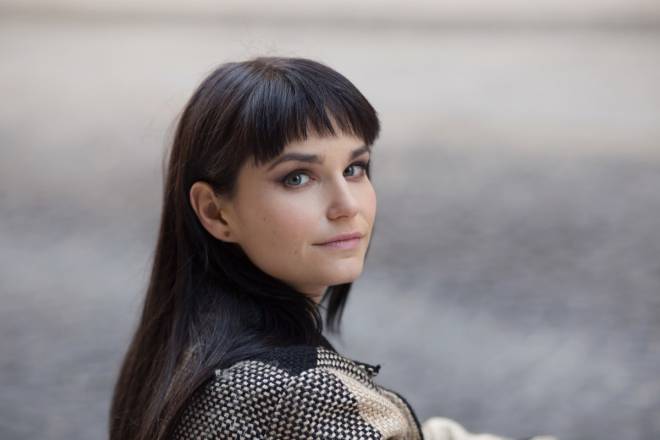
Hungarian soprano Emőke Baráth began her musical education studying the piano and the harp. She began singing at the age of 18 following the teaching of József Hormai and Katalin Szőke and then Professor Júlia Pászthy at the Franz Liszt Academy in Budapest. During the 2011/2012 school year, she also studied at the Luigi Cherubini Conservatory in […]
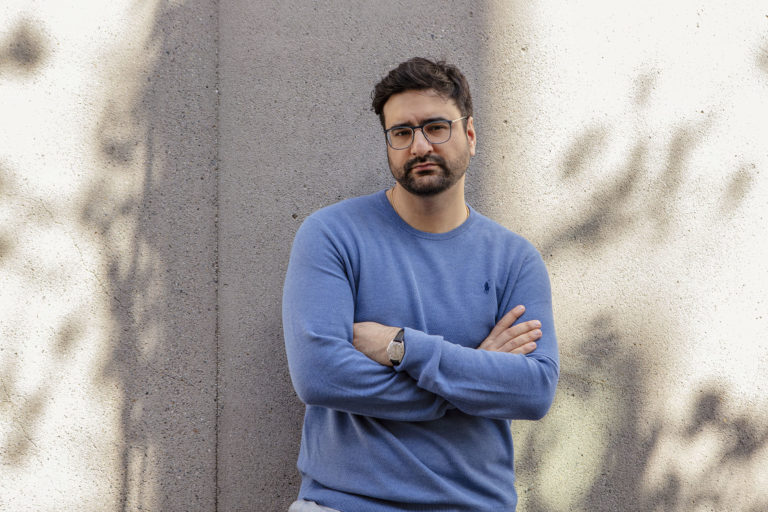
Milan Siljanov has established himself as a compelling presence on the European operatic scene, praised for his ‘fiery and persuasive vocal presence’ (Bachtrack) and ‘heartbreakingly intense singing’ (Süddeutsche Zeitung). In recent seasons, he has been a frequent presence at Bayerische Staatsoper, where his roles include Leporello (Don Giovanni), Dulcamara (L’elisir d’amore), Schaunard (La bohème), Donner (Das Rheingold), and Panas in Rimsky-Korsakov’s The Night Before Christmas. His growing international profile includes performances with Theater an der Wien—where he debuted as the Forester in The Cunning Little Vixen, later reprising the role at Opéra national de Paris—as well as repeated returns to the Verbier Festival, most recently in the title role of Falstaff in 2024. In the 2025/26 season, he appears again at Bayerische Staatsoper and embarks on a French tour with Ensemble Correspondances. Milan Siljanov was the first recipient of the Prix Yves Paternot in 2016 and has since returned regularly to Verbier as […]
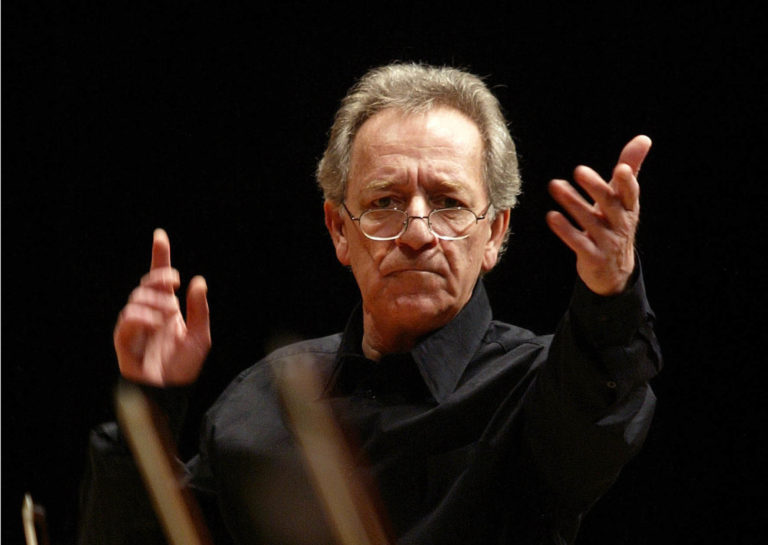
Since 1988 Yuri Temirkanov has been the Artistic Director and Chief Conductor of the St Petersburg Philharmonic Orchestra, with whom he regularly undertakes major international tours and recordings. Born in the Caucasus city of Nal’chik, Yuri Temirkanov began his musical studies at the age of nine. When he was thirteen, he attended the Leningrad School […]
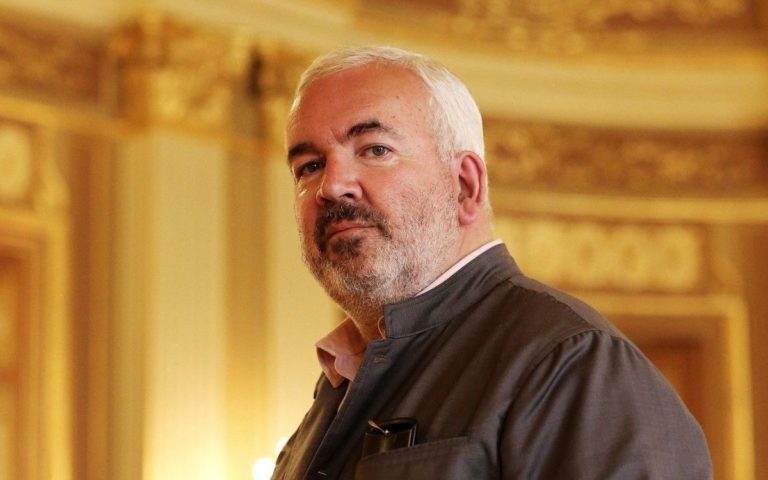
Marc Minkowski plays an active role in promoting classical music both though his exciting career as conductor, and as an artistic administrator. He is currently General Manager of the Opéra National de Bordeaux, having been appointed in 2016, was the Artistic Director of the Mozartwoche (Mozart Week), Salzburg from 2013 to 2017 and became the […]
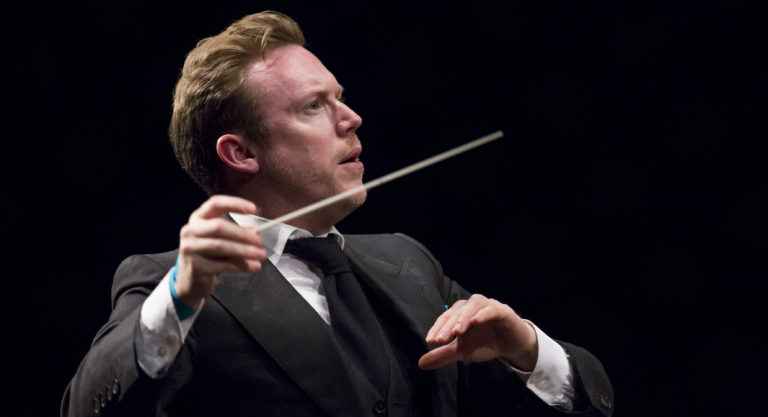
Daniel Harding CBE is Music and Artistic Director of the Swedish Radio Symphony Orchestra, with whom in 2022 he celebrated his 15-year anniversary. He is Conductor Laureate of the Mahler Chamber Orchestra, with whom he has worked for over 20 years. In 2024, he will take up the position of Music Director of the Youth […]
Internationally-acclaimed viola player Lawrence Power is widely heralded for his richness of sound, technical mastery and his passionate advocacy for new music. Lawrence has advanced the cause of the viola both through the excellence of his performances, whether in recitals, chamber music or concertos and the creation of the Viola Commissioning Circle (VCC), which has […]
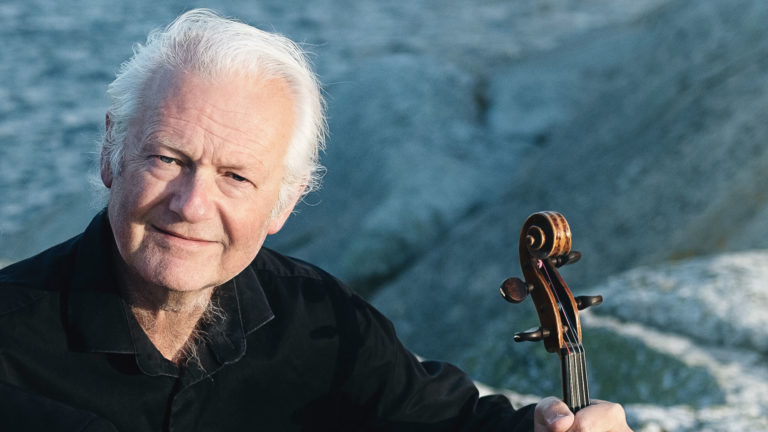
Lars Anders Tomter is one of today’s most outstanding violists. The Giant of the Nordic Viola (The Strad) was born at Hamar, Norway. He began to play the violin at the age of eight and also took up the viola. Both instruments he studied with Professor Leif Jørgensen at the Oslo Music Conservatory and the […]
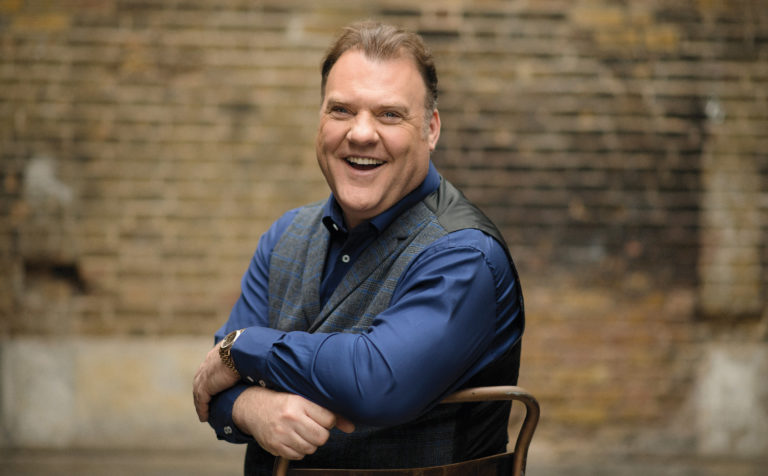
Welsh bass-baritone Sir Bryn Terfel has established an extraordinary career, performing regularly on the prestigious concert stages and opera houses of the world. After winning the Song Prize at the 1989 BBC Cardiff Singer of the World, Sir Bryn made his professional operatic debut in 1990 as Guglielmo in Così fan tutte with Welsh National Opera. He made his […]
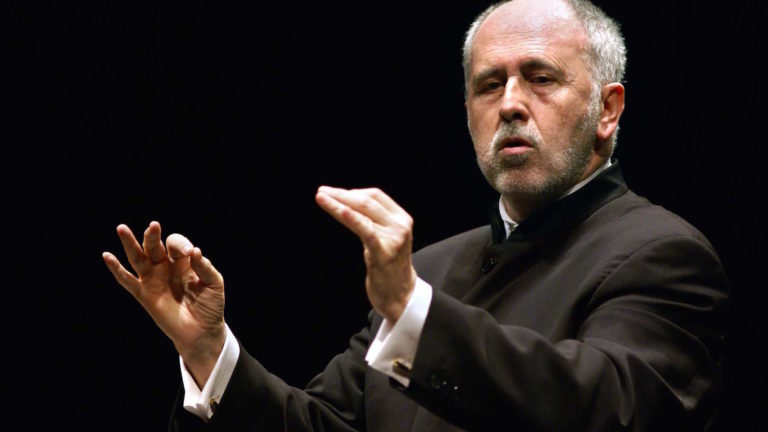
Born in Toro, Spain, Jesús López-Cobos studied at the universities of Granada and Madrid, earning a doctorate in philosophy in 1964. In his student days, López-Cobos led a student chorus with such success that he decided to undertake full-time musical studies, first earning a degree in composition from Madrid in 1966. He then studied conducting with Franco Ferrara in Italy. In […]
From Bach to Adès, pianist Kirill Gerstein’s playing is distinguished by a ferocious technique and discerning intelligence, matched with an energetic, imaginative musical presence that places him at the top of the international profession, with solo and concerto engagements taking him from Europe to the United States, East Asia and Australia. Born in the former […]