Verbier is easily accessible by various means of transport.
Where to stay
Explore available accommodation options in Verbier.
Eat & drink
Explore a selection of places to eat or drink during your visit to Verbier.
Venues & Accessibility
Learn more about our performance venues and accessibility.
Your experience at the Verbier Festival
We value your feedback. Share it with us here.
Offers
Flex Pack
20% discount starting 7 concerts purchased from the Mainstage programme (excluding Carré Or).
Day Pass
10% discount when you book 2 or more concerts on the same day.
Combins Pass
Attend all evening concerts at Salle des Combins (Carré Or) from the 16th of July 2025 to the 2rd of August 2025. Contact the Ticket Office to buy your Pass.
Gift card
Share your passion for classical music by offering a Verbier Festival gift card.
Bagnard
40% discount for permanent residents of Commune de Val de Bagnes.
Under 35
For adults under 35 years old for all Mainstage concerts.
Students
For students upon presentation of valide ID for all Mainstage concerts.
Children
For children under 12 for all Mainstage concerts.
The Verbier Generation
At the heart of the Festival's mission: nurturing the next generation of great artists.
Academy Programme
From musical training to musicpreneurship - empowering young musicians to embrace their artistry and forge meaningful careers in music
Masterclasses Shenzhen 2026
In China, a week of masterclasses with artists of the Verbier Festival.
Masterclasses Verbier 2026
Programme at a glance - Masterclasses are among the Festival's most popular events.
Students 2026
Discover the students of the Academy, Orchestra Training programmes and Shenzhen masterclasses
Prizes & Honours
Celebrating the Academy's most outstanding talents, including the Prix Yves Paternot - its most prestigious distinction.
Success Stories
Meet alumni making their mark.
The Verbier Generation
At the heart of the Festival's mission: nurturing the next generation of great artists.
Orchestra Training Programmes
The Verbier Festival Orchestra Training Programmes have become a rite of passage for today's exceptional young orchestral musicians and conductors.
Students 2026
Discover the students in the orchestra training programs
Success Stories
Meet alumni making their mark.
VFCO
The Verbier Festival Chamber Orchestra, the Festival’s worldwide ambassador, unites exceptional alumni of its Orchestra Training Programmes who now perform with some of the world’s leading orchestras.
Summer 2026
Your summer of unlimited music starts with these concerts.
Buskers 2026
Calling all street performers! Apply now to play at next summer's Verbier Festival.
Aftermovie 2025
Relive the energy, the music and the moments that made UNLTD 2025 shine.
UNLTD Collective
Alumni of the Verbier Festival Academy creating bold, original projects for today.
Amplifiers
Join the community that helps UNLTD spark new sounds and ideas.
Summer 2026
Concerts, workshops and outdoor fun for children during the Verbier Festival.
Storytellers in the Classroom
A journey through words, music and images to dream and create.
Drawing Contest
A creative contest inviting children to draw through music.
Zoo
Short animated films inspired by The Carnival of the Animals.
Ludwig's World
An interactive playspace to discover Beethoven.
Amplifiers
Amplifiers help VF KiDS grow and keep the magic of music alive.
Verbier Festival Gold
Gems from the Festival archives.
VF Collection
An ambitious heritage project that extends our artistic mission beyond the summer season.
Virtual Hall®
The Verbier Festival presents its first virtual reality experience, in partnership with Cybel’Art.
Jukebox
An immersive audiovisual space for archival treasures.
Broadcast and Streaming
The Verbier Festival lets music-lovers worldwide enjoy concerts live or on replay.
Apple Music Classical
The Verbier Festival is pleased to announce its partnership with Apple Music Classical.
Public Funders
The Verbier Festival thanks its public funding partners for their unwavering support.
Our Sponsors
The Verbier Festival thanks its sponsors and partners for their valuable support.
The Entrepreneurs’ Circle
The Entrepreneurs’ Circle aims to become the Verbier Festival’s economic partner network.
Cercle des Combins
The Cercle des Combins connects the people who make our local economy thrive in a truly authentic setting.
Donors to the Friends
The Friends is a group of music-loving donors whose support has been a cornerstone of the Festival’s rise to the top.
Become a Friend
Become a Friend and enjoy numerous benefits to fully experience the Verbier Festival.
Patrons
The Verbier Festival is grateful to its philanthropic patrons for their generous support.
Legacy Giving
Help us build a sustainable future.
Founder & Director
En 1991, Martin Engstroem put the wheels in motion for what in 1994 would become the Verbier Festival & Academy.
Sustainability
Our Corporate Social Responsibility policy.
Contact
Our telephone numbers, email and postal addresses, office hours and directory of personnel.
Board of Directors
Learn more about the Verbier Festival's Board of Directors.
Your experience at the Verbier Festival
We value your feedback. Share it with us here.
深圳·韦尔比耶音乐节 2026
Verbier Festival 2026 Shenzhen
The inaugural Verbier Festival in Shenzhen: 30 January to 8 February 2026
What they say about us
The Festival as seen by the international press.
Press Enter to search
News Archive
Our past stories
Capuçon Renaud
08 Jun 2020
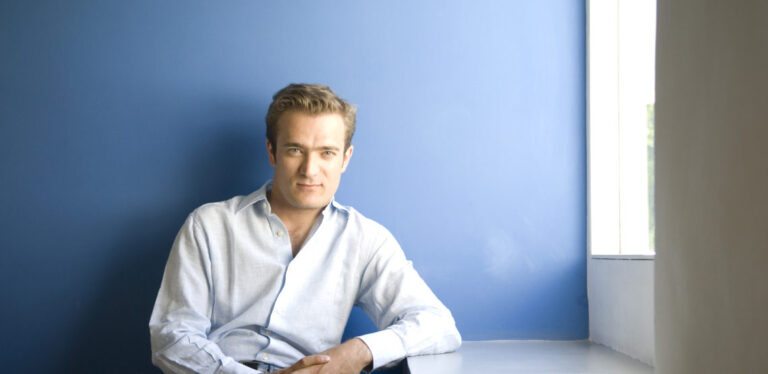
French violinist Renaud Capuçon is firmly established internationally as a major soloist, recitalist and chamber musician. He is known and loved for his poise, depth of tone and virtuosity, and he works with the world’s most prestigious orchestras, artists, venues and festivals. Born in Chambéry in 1976, Renaud Capuçon began his studies at the Conservatoire […]
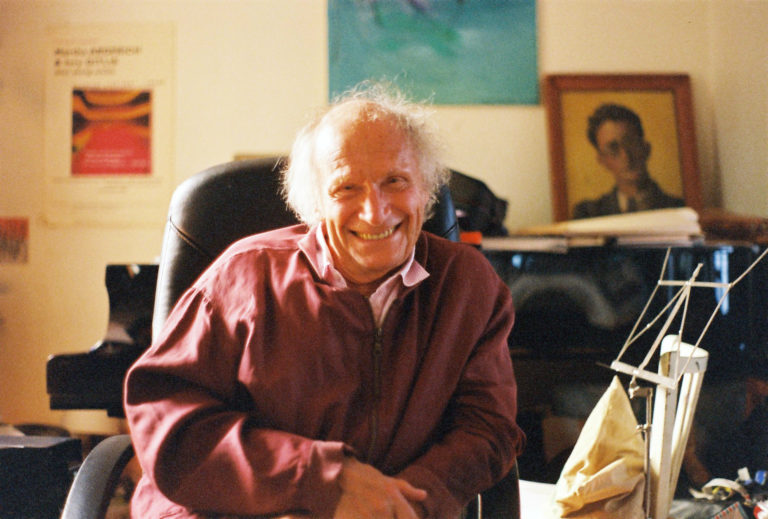
Ivry Gitlis is one of the most popular violinists of his time. He has succeeded in combing the integrity of a demanding musical career with original and renewed artistic experiences. Originally from Ukraine, Ivry Gitlis’ parents settled in Israel in 1921. Ivry Gitlis was born a year later in Haifa. His parents were not musicians […]
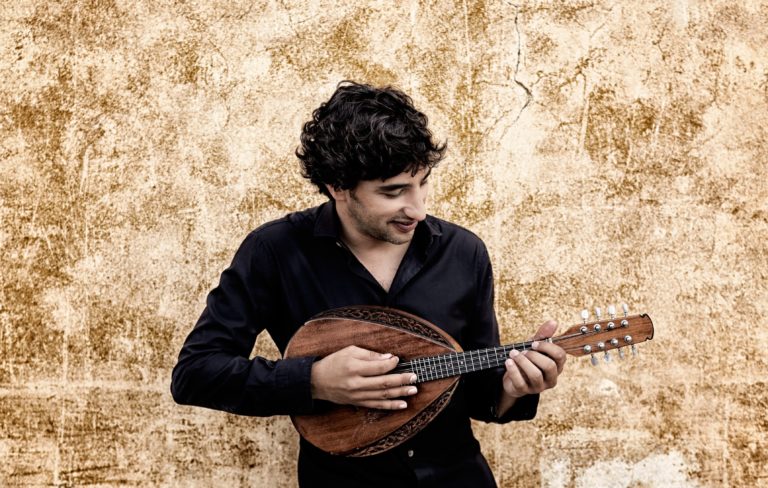
The first mandolin soloist to be nominated for a classical Grammy, Avi Avital has been compared to Andres Segovia for his championship of his instrument and to Jascha Heifitz for his incredible virtuosity. Passionate and “explosively charismatic” (New York Times) in live performance, he is a driving force behind the reinvigoration of the mandolin repertory. […]
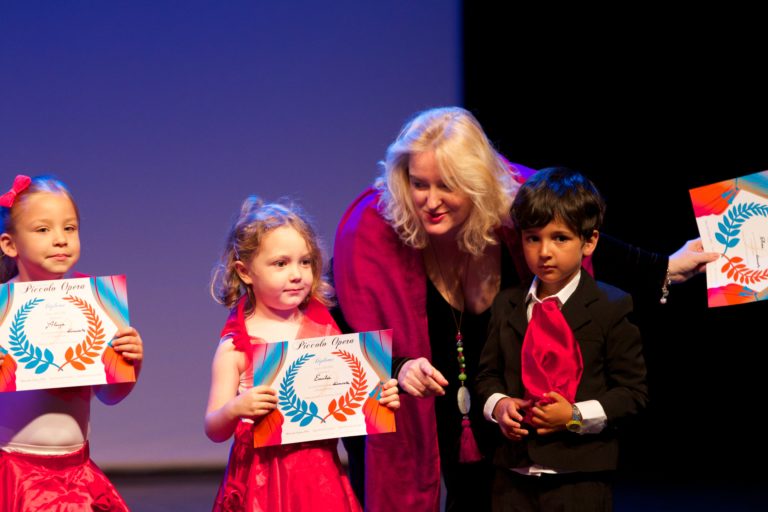
Sophie Ellen Frank is the creator of the educational concept and artistic director of the Opera Academy. Born in 1963 in Osaka, Japan, Sophie Ellen Frank made her debut at the age of four in the role of the child in Madame Butterfly at the Grand Théâtre de Genève in the arms of Dame Gwyneth […]
Paul Hess is the President of the Académie de l’opera Association (Geneva), its conductor and musical director. He is a graduate of the New England Conservatory of Music in Boston, the Mozarteum in Salzburg and the Academia Chigiana in Siena, Italy. He is a laureate of the Besançon International Conducting Competition and a recipient of […]
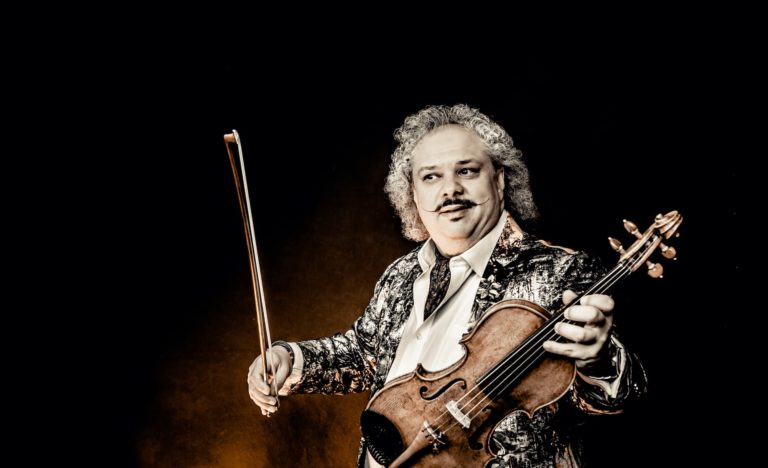
Roby Lakatos is not only a virtuoso on the violin, but also an extremely versatile musician who is equally adept to performing classical music, jazz and the folk idiom of his home country of Hungary. He is hard to define: most often, he is described as a Gypsy violinist, a devil’s fiddler, classical master, jazz […]
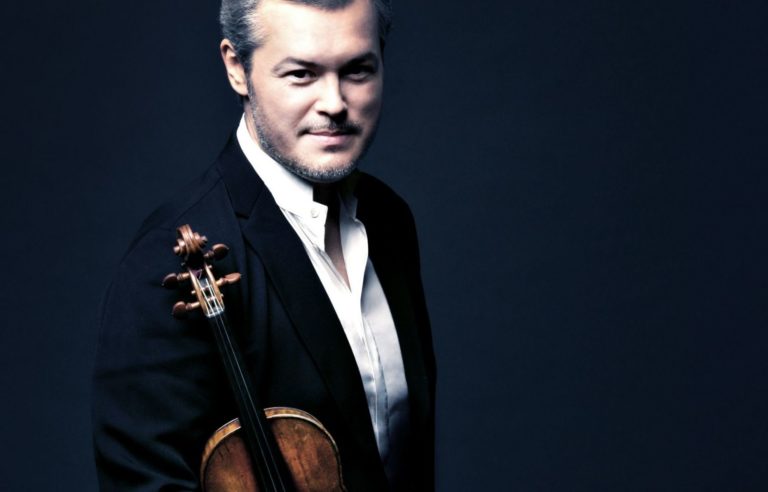
Born in Siberia in 1971, Vadim Repin was eleven when he won the gold medal in all age categories in the Wienawski Competition and gave his recital debuts in Moscow and St Petersburg. At 14 he made his debuts in Tokyo, Munich, Berlin, Helsinki; a year later in Carnegie Hall. At 17 he was the […]
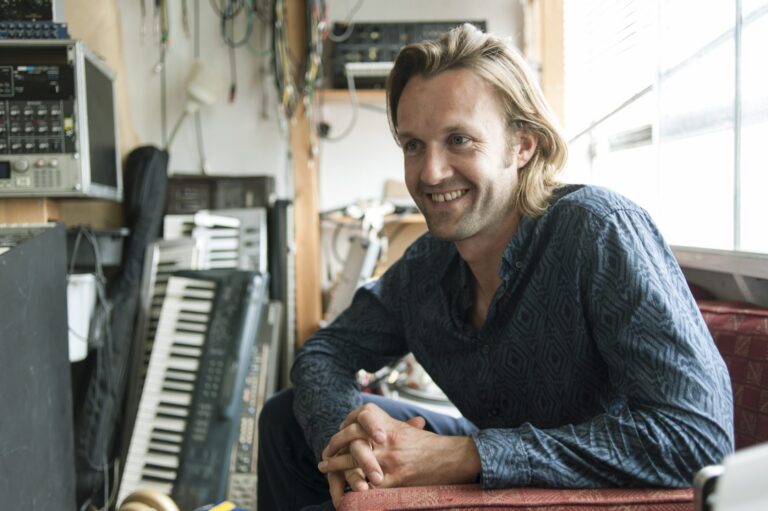
Composing music that both embraces and challenges western classical traditions, Gabriel Prokofiev has emerged as a significant voice in new approaches to classical music at the beginning of the 21st century. After completing his musical studies at Birmingham and York Universities, and dissatisfied with the seemingly insular world of contemporary classical music, he developed a […]
Violinist Pierre Colombet is a founding member of Quatuor Ébène. The quartet began its rise to fame in 2004 as winner of the ARD Music Competition, following studies with the Quatuor Ysaÿe in Paris, and also Gábor Takács, Eberhard Feltz and György Kurtág. Today it is internationally fêted for its distinctive, charismatic playing, and the […]
Joshua Bell is a GRAMMY®-winning American violinist and one of the most celebrated artists of his generation. His career spans nearly four decades, during which he has performed as a soloist, chamber musician, conductor, and Music Director of the Academy of St Martin in the Fields since 2011, succeeding Sir Neville Marriner. He performs with […]