NIKOLAÏ LUGANSKY
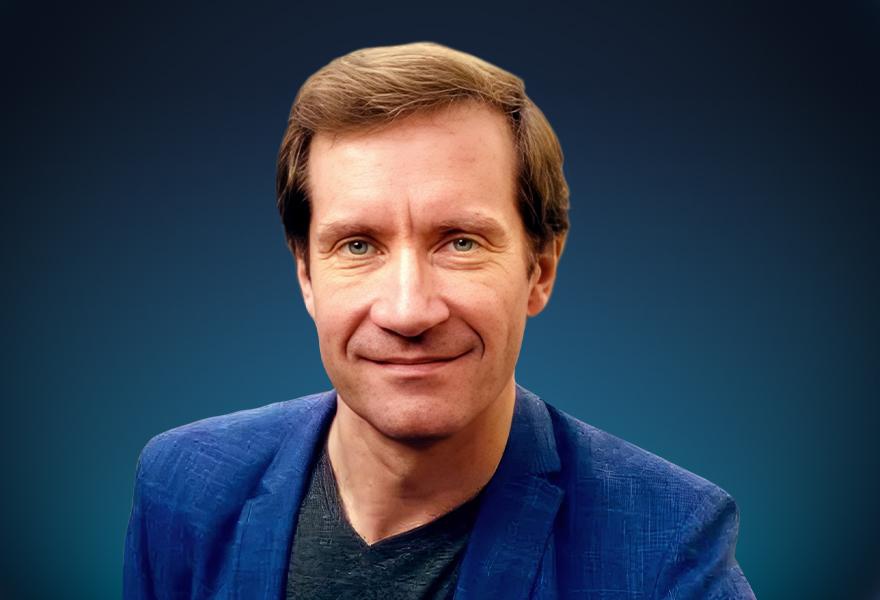
A flamboyant heir to the Russian piano school, Nikolaï Lugansky has no equal in illuminating the works of Beethoven, of whom he is one of the foremost interpreters. Under his fluid fingers, the German composer’s works carry an ever-present urgency, combining strength and suppleness. Likewise, his mellow sound is ideally suited to the music of Schumann, of whom he performs two works directly rooted in Beethoven’s legacy.
Programme
LUDWIG VAN BEETHOVEN (1770-1827)
Piano Sonata No. 30 in E major Op. 109
ROBERT SCHUMANN (1810-1856)
3 Fantasiestücke Op. 111
Fantasie in C major Op. 17
Concert without interval
Nikolay Lugansky plays the Coda of Ballade No. 4 in F minor, Op. 52 at Verbier Festival 2024
Find out more
The Sonata No. 30 opens the series of the last (and legendary!) piano sonatas. Of the three, it is surely the most concise and the most mysterious. The first two movements captivate with their blend of extreme freedom (giving a sense of improvisation) and formal rigour. Deeply songful, the closing Andante unfolds through impressive variations, as the Finale of the Sonata No. 32 would later do.
The deep connections between the music of Beethoven and that of Schumann are rarely highlighted. While the Sonata No. 30 in many respects awakens Schumannesque gestures, the rarely heard Fantasiestücke of 1851 are a direct homage to Beethoven’s last sonatas. According to Clara Schumann, the pieces reveal ‘ardour, impetuosity and youth, followed by a contemplative and peaceful atmosphere’. Likewise, the admirable Fantasie Op. 17 is often remembered as Robert Schumann’s passionate cry of love, when he was separated from Clara by the fierce opposition of her father, Friedrich Wieck. Yet the work was originally conceived to raise money for a monument to Beethoven. As in the Sonata No. 30, the Fantasie follows an unusual structure: fast / fast / slow. The first movement unfolds one of the finest Romantic declarations in the piano repertoire, quoting at its close Beethoven’s Lieder cycle An die ferne Geliebte while the finale rediscovers an expressive freedom that only Beethoven’s last sonatas had achieved before. Fascinating!