BIRDS ON A WIRE
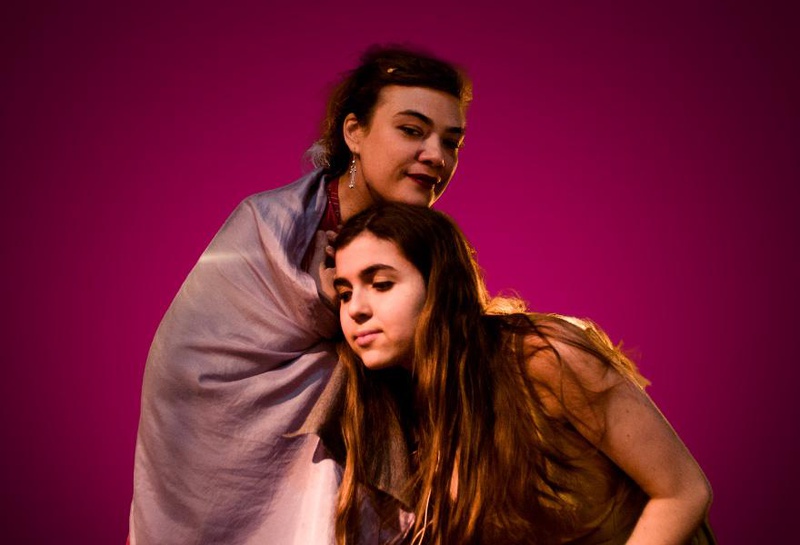
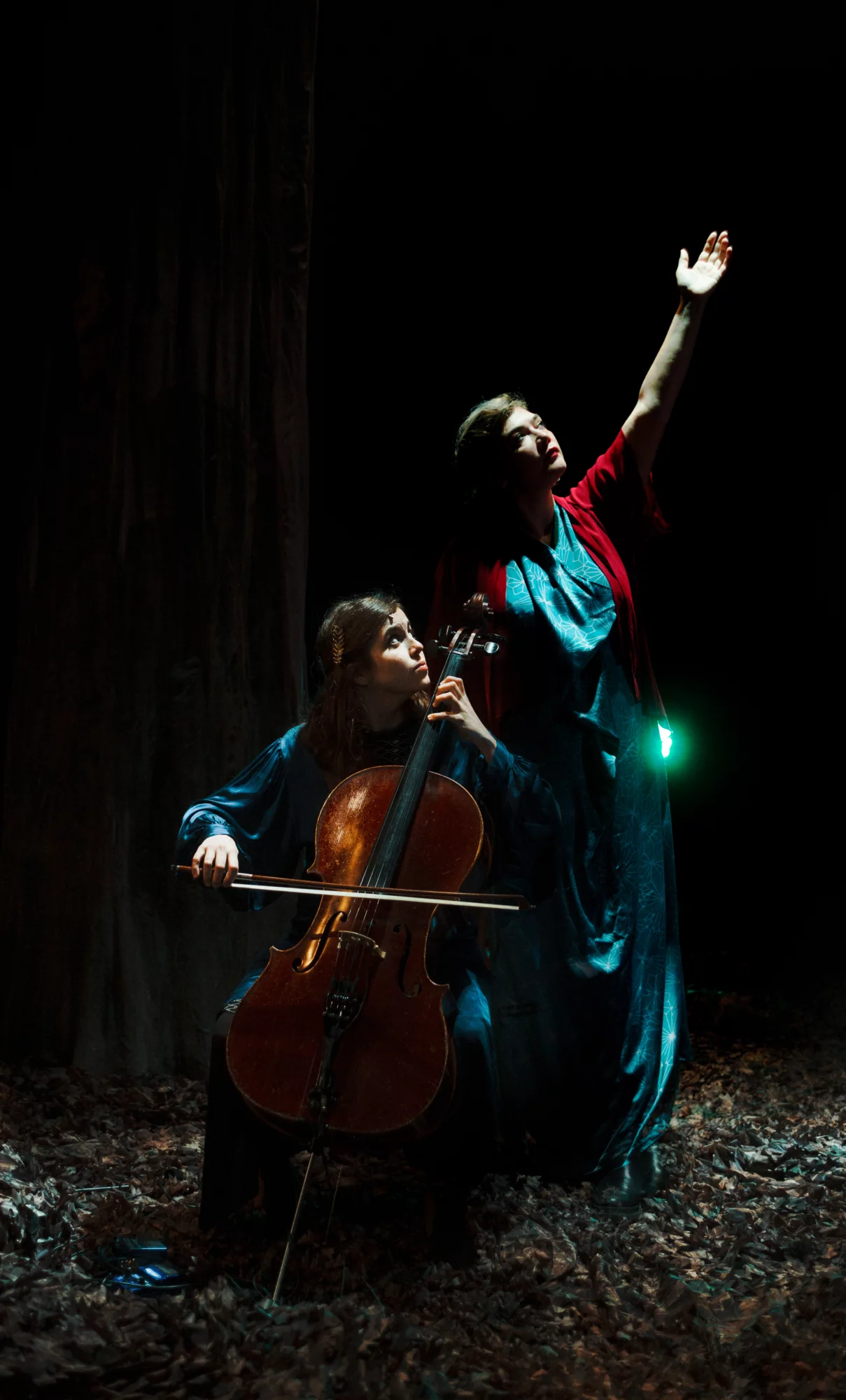
Twelve years ago, their paths briefly crossed: Rosemary Standley, the captivating Franco-American voice discovered through Moriarty, met Dom La Nena, a young Franco-Brazilian cellist and singer with a velvety tone. Driven by mixed roots, a classical background, and a shared attraction to languages and chiaroscuro repertoires, their encounter immediately resonated as a musical revelation.
What was initially intended to be an ephemeral project — a constellation of covers for voice and cello conceived for a series of concerts at the Cité de la Musique in Paris — slowly took root. Like the migratory birds whose name they adopted, Birds on a Wire soar without a predetermined itinerary. Leonard Cohen guided them at the outset, but their song gradually became their own world map. The public followed them. The alchemy was irreversible.
Their eponymous debut album in 2014 celebrated songs of childhood and memory, ancestral laments, baroque gems, and Latin American folk pearls. The duo did not merely cover; they refined, transfigured, and intertwined languages and centuries with rare delicacy.
Birds on a Wire have performed to sold-out audiences in over 400 concerts, on the most prestigious stages in France and internationally — from the Philharmonie de Paris to the Olympia, from the Théâtre du Châtelet to the Bouffes du Nord, as well as the Théâtre antique de Fourvière, the Basilique Saint-Denis, the Philharmonie du Luxembourg, and the Auditorium de Radio France.
In 2025, a new chapter opens: Nuées ardentes, their third album, is a collection of metamorphoses. For the first time, Birds on a Wire tackle a repertoire of extremely well-known pop, rock, and French songs embedded in the collective unconscious: Bronski Beat’s Smalltown Boy, The Cure’s The Lovecats, The Doors’ People Are Strange, Barbara’s Perlimpinpin, and Bobby Lapointe’s La peinture à l’huile. These often cult tracks are revisited in their unique style — with grace, audacity, and a form of gentle irreverence. Sometimes stripped to the bone, sometimes reinvented with richer textures, where the cello becomes an orchestra, keyboard, or percussion, these familiar titles take on a new, unsettling, and singular color.