TEODOR CURRENTZIS / ANTOINE TAMESTIT...
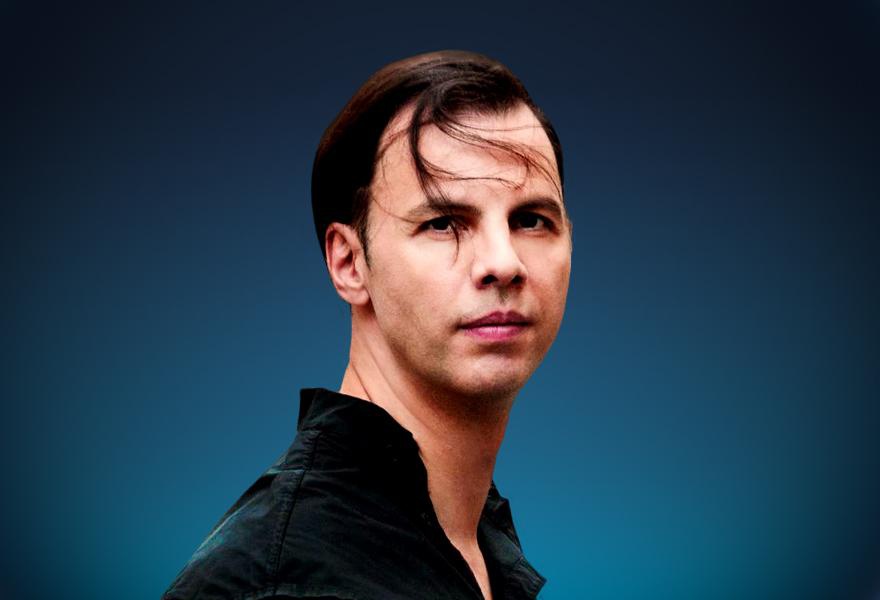
One of the most moving evenings of the Verbier Festival 2027. Two overwhelming works: Styx by the Georgian Giya Kancheli, illuminated by Antoine Tamestit’s incandescent viola, and Tchaikovsky’s unforgettable Symphony No. 6 ‘Pathétique’ whose extraordinary intensity is unleashed by the great Greek conductor Teodor Currentzis.
Programme
GIYA KANCHELI (1935-2019)
Styx for viola, choir and orchestra
Interval
PYOTR ILYICH TCHAIKOVSKY (1840-1893)
Symphony No. 6 in B minor Op. 74 “Pathétique”
Artist(s)
- Verbier Festival Orchestra
- Teodor Currentzis conductor
- Oberwalliser Vokalensemble choir
- Antoine Tamestit viola
Teodor Currentzis conducts Shostakovich: Symphony No. 5 in D Minor, Op. 47: IV. Allegro non troppo
Find out more
Premiered by Yuri Bashmet in 1999, Styx pays homage to two composers close to Kancheli: Alfred Schnittke and Avet Terterian. With its powerful contrasts, the work, which brings together a viola, a choir (singing fragments in Georgian and English) and a large orchestra, has the character of a requiem. The solo viola is akin to the ferryman Charon, who navigates between the world of the dead and that of the living. In the second half, few works move us as profoundly as Tchaikovsky’s Symphony No. 6 ‘Pathétique’. A gripping confession by a man in despair, it completes the ‘Fate cycle’ begun with the Symphony No. 4, in which the Russian composer imagines an inescapable force paralysing his existence. Indeed, the long first movement, written in five days, paints an intimate portrait of Tchaikovsky’s longing for happiness and of the failure of his emotional life. The composer’s heightened emotionality is such that it overflows the traditional frameworks of the symphony: witness the relentless scherzo and above all the extraordinary Adagio placed at the very end, heralding the great arches of Mahler. Oscillating between outbursts of revolt, glimmers of hope and resignation, the symphony ends in a heart-rending fading of sound: the rhythm of the cellos and double basses evokes the ever-weakening pulse of a heart about to stop. Unforgettable!