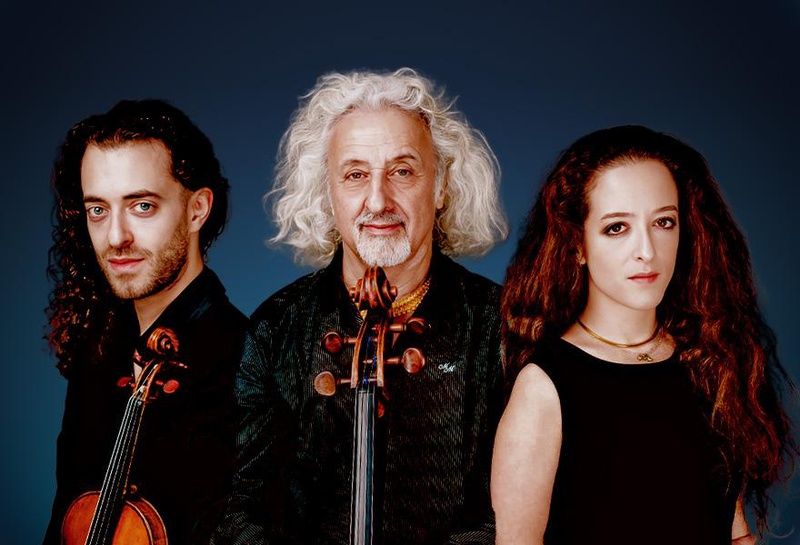
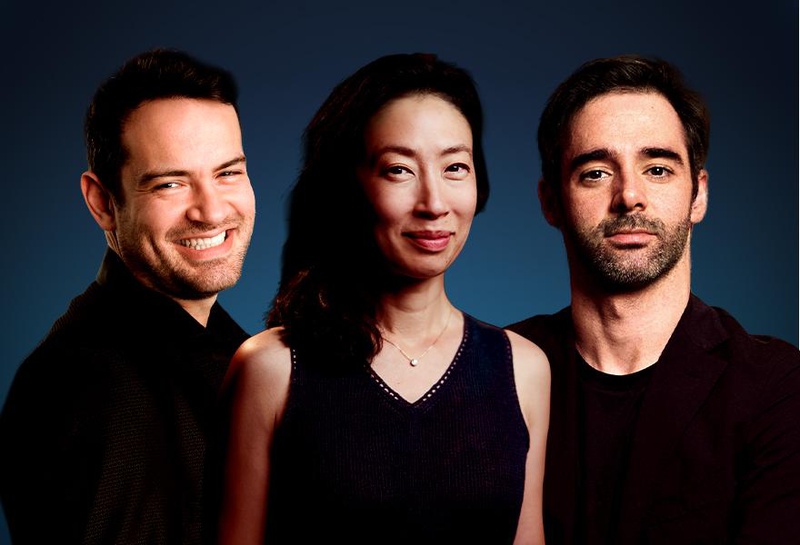
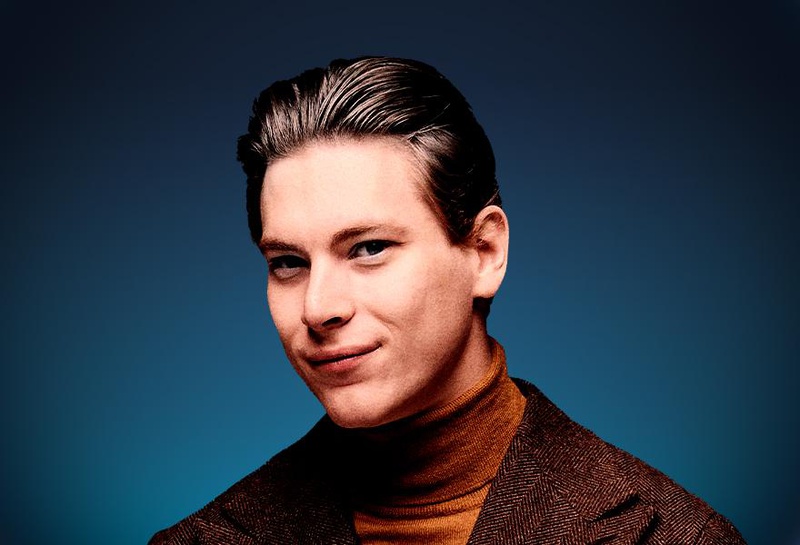
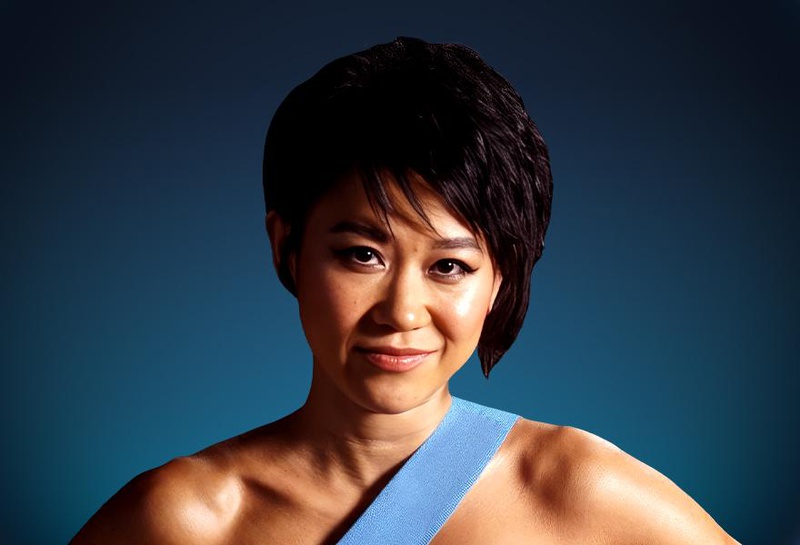
TRULS MØRK / HÅVARD GIMSE
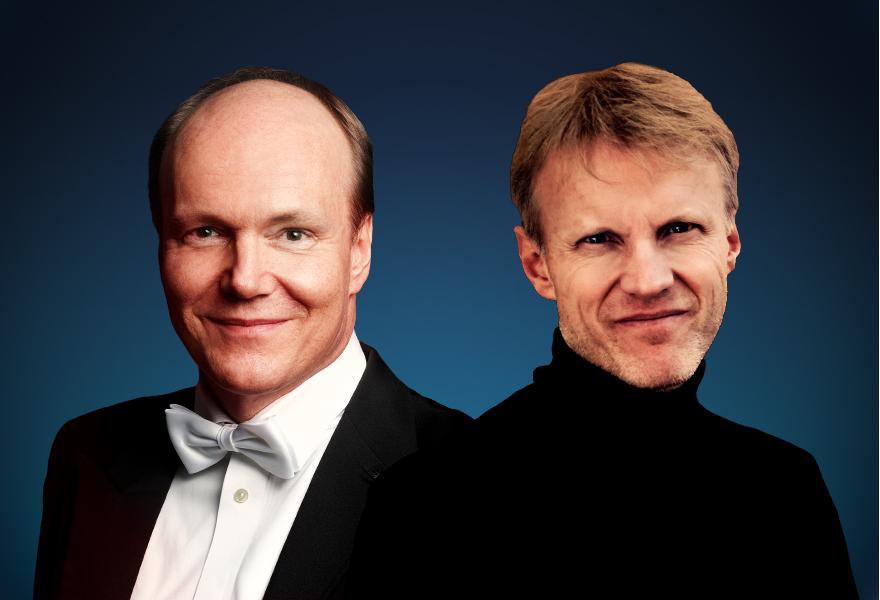
Truls Mørk is a musician whose genius can be measured and recognised from the first stroke of the bow. For his long-awaited return to the Festival, the Norwegian cellist joins forces with his compatriot Håvard Gimse, in four gems of the chamber repertoire, notably Prokofiev’s Sonata written especially for Rostropovich.
Programme
ROBERT SCHUMANN (1810-1856)
3 Romances Op. 94
EDVARD GRIEG (1843-1907)
Cello Sonata in A minor Op. 36
Interval
JEAN SIBELIUS (1865-1957)
2 Pieces Op. 77
SERGE PROKOFIEV (1891-1953)
Cello Sonata in C major Op. 119
Truls Mørk and Kirill Gerstein play Brahms: Cello Sonata No. 1 in E Minor, Op. 38: I. Allegro non troppo
Find out more
The cello is often described as the instrument closest to the human voice. The excellent Scandinavian pairing of Truls Mørk and Håvard Gimse (who have been performing together for some twenty years) promises to reveal the full richness of their instruments’ colours. In Schumann’s Three Romances Op. 94, written as a Christmas present for Clara in 1849, the cello is conceived as the oboe for which the work was originally written. Likewise, Sibelius’s Two Pieces Op. 77 of 1915 can be played on either violin or cello. In the Sonata Op. 36, it is the memory of his famous Piano Concerto that Edvard Grieg revives in a work displaying the same melodic and harmonic exuberance. Since 1883, the sonata has attracted legendary duos, such as Pablo Casals and Arthur Rubinstein or Mstislav Rostropovich and Sviatoslav Richter. Finally, Prokofiev’s Cello Sonata is inseparable from the personality of Rostropovich. In 1947, the composer of Peter and the Wolf heard this 20-year-old cellist who persuaded him to devote his last strength to writing for strings. The result was notably this magnificent Sonata of 1949, which, at a time when the terrible Zhdanov Doctrine was terrifying Soviet artists, makes the cello sing with renewed purity.