QUATUOR ÉBÈNE
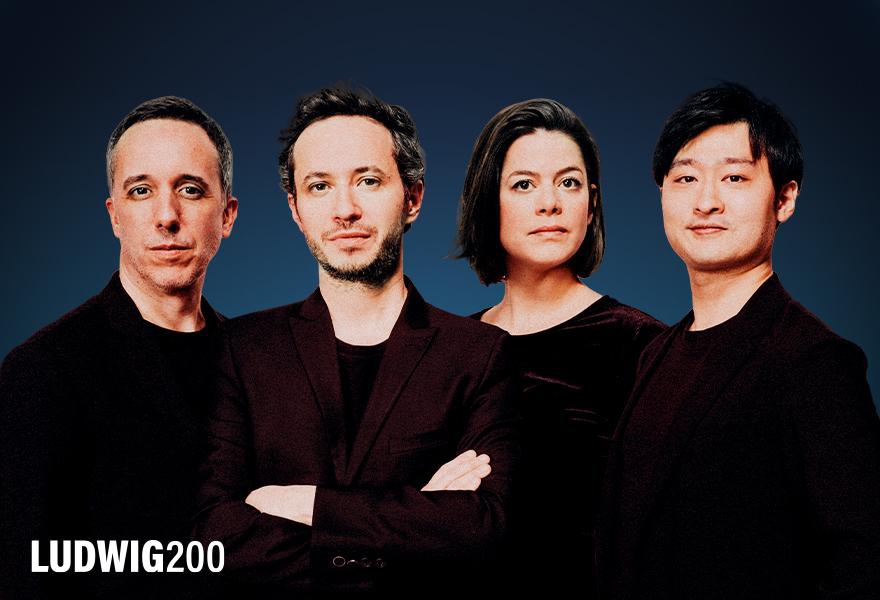
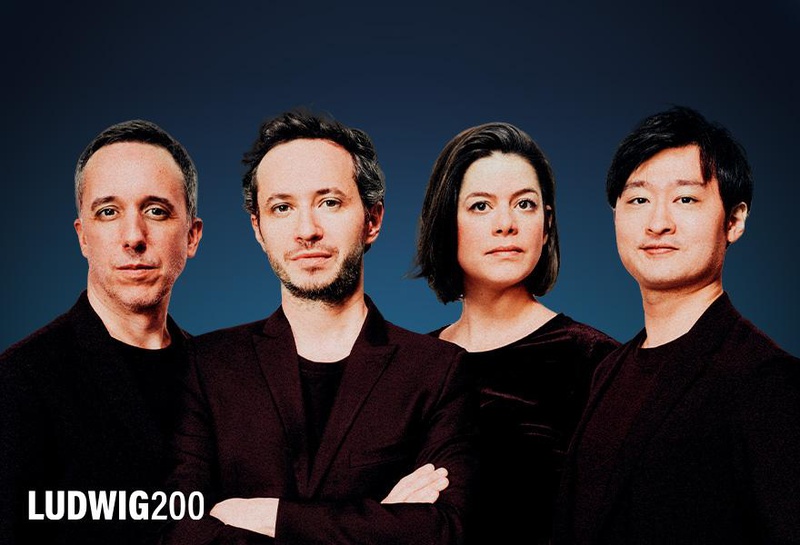
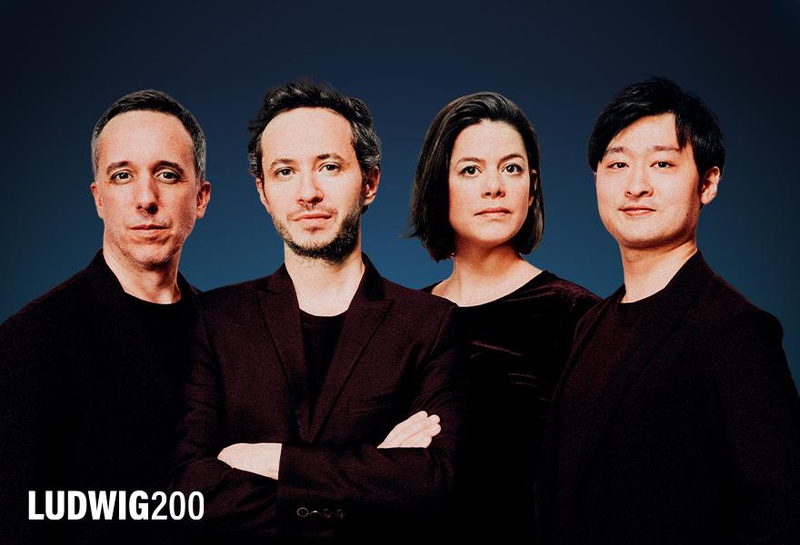
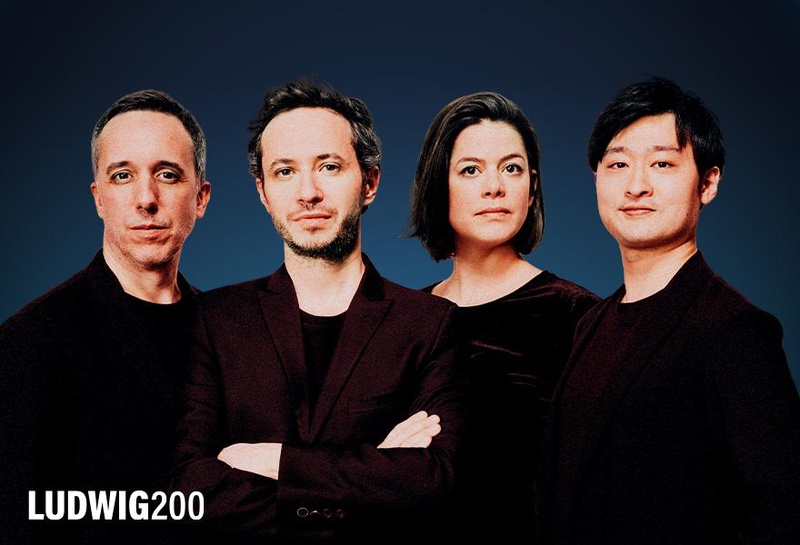
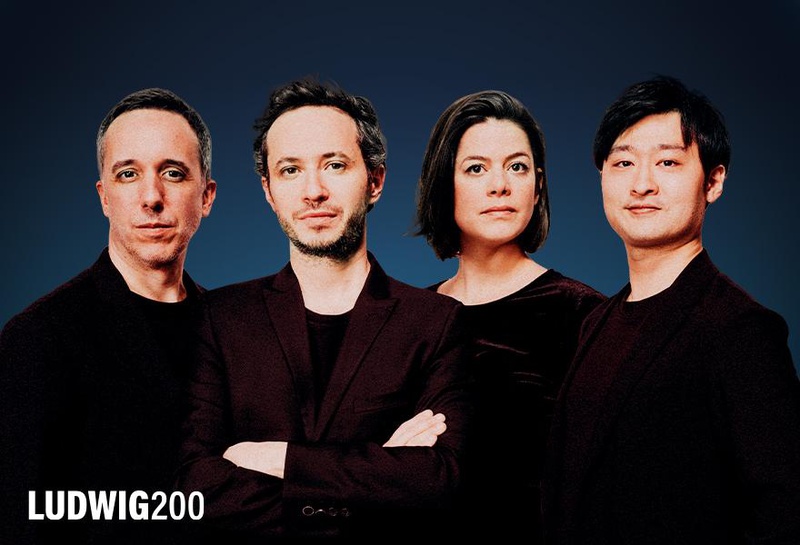
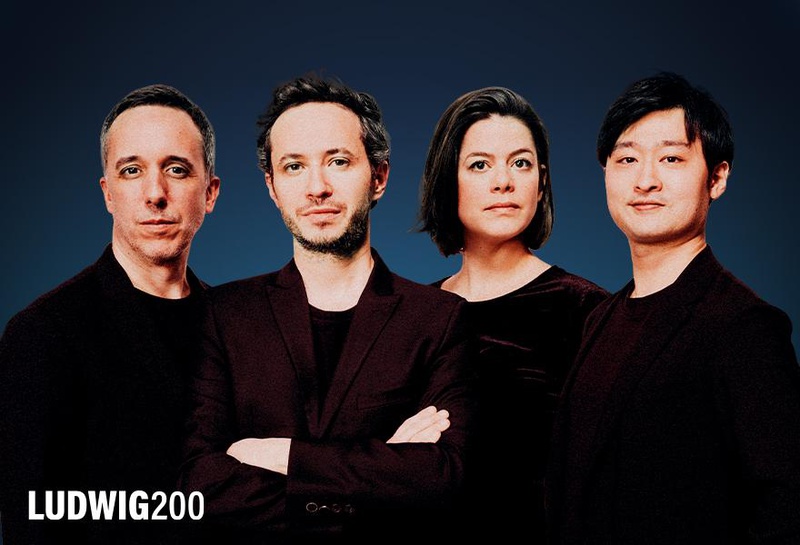
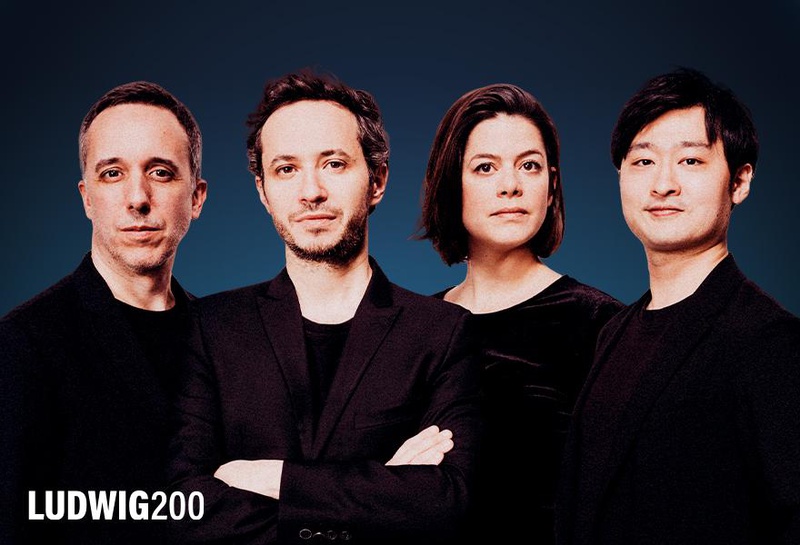
Hearing the complete Beethoven quartets is the experience of a lifetime for musicians and listeners alike. Having completed a first full cycle in 2020, the Quatuor Ébène returns to the task in its new line-up (Pierre Colombet, Gabriel Le Magadure, Marie Chilemme and Yuya Okamoto) for a series of seven exceptional concerts, marking the bicentenary of the German composer’s death.
Programme
LUDWIG VAN BEETHOVEN (1770-1827)
String Quartet No. 10 in E-flat major Op. 74
LUDWIG VAN BEETHOVEN (1770-1827)
String Quartet No. 9 in C major Op. 59 No. 3 “Razumovsky”
Concert without interval
Evgeny Kissin and Quatuor Ebene play: Shostakovich: Piano Quintet in G Minor, Op. 57: III. Scherzo
Find out more
Unlike the other instalments of the cycle, this fifth episode focuses on a narrow period of Beethoven’s life. The year is 1808: the composer has just completed his Symphony No. 6 ‘Pastoral’ and is beginning his Concerto No. 5 ‘Emperor’. After a terrible period of self-questioning, the musician seems resigned to his infirmity. On the sketches for No. 9, he writes: ‘Do not hide your deafness, not even in art’. Indeed, Quartets No. 9 and No. 10, separated by barely two years, are sunlit works. Both mark at once a farewell and a new beginning for the German composer. Thanks to its pizzicati, No. 10 earned the nickname ‘Harp’, extending Beethoven’s ambition to bring a symphonic dimension to the quartet. In the same way, No. 9 features a slow introduction for the first time. The work also contains the last Minuet of the cycle, and the extraordinary velocity of the Finale recalls forms used by Haydn, a year before his death. A superb Beethoven portrait, like a photographic snapshot, by a Quatuor Ébène ever in motion and in majesty.