QUATUOR ÉBÈNE
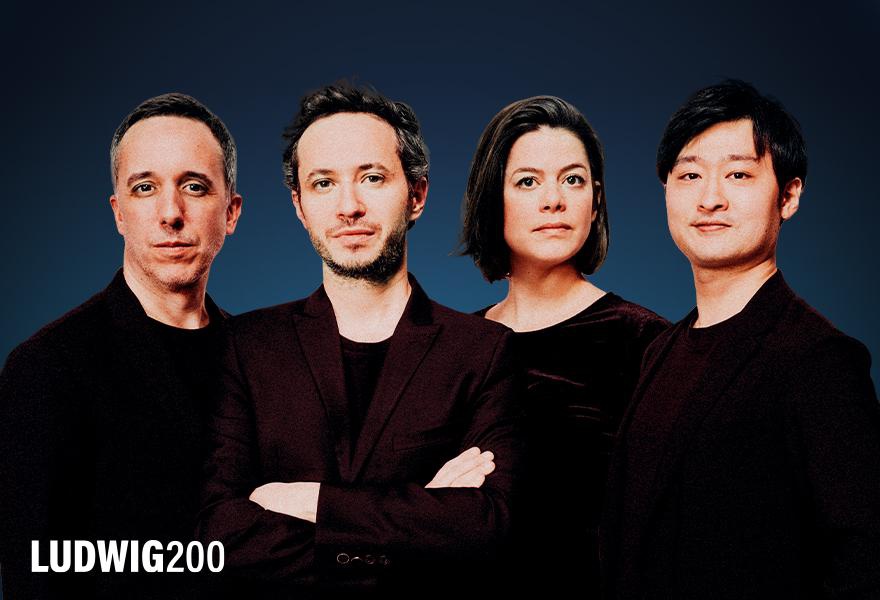
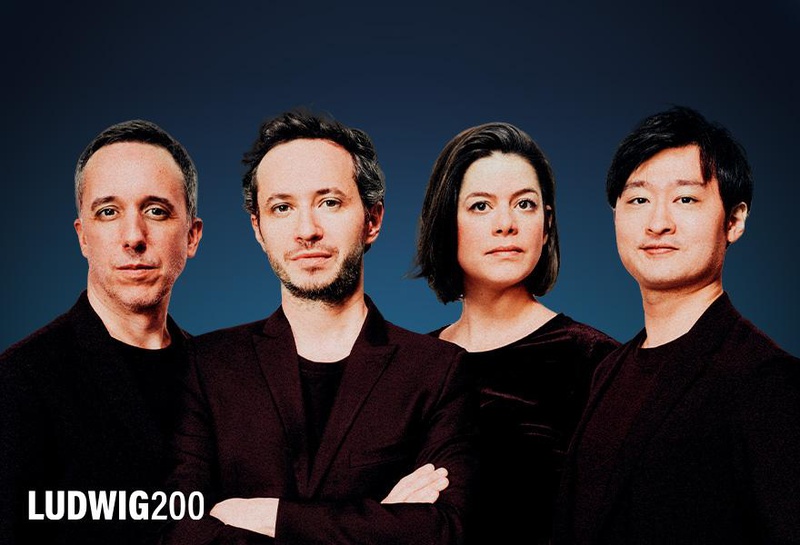
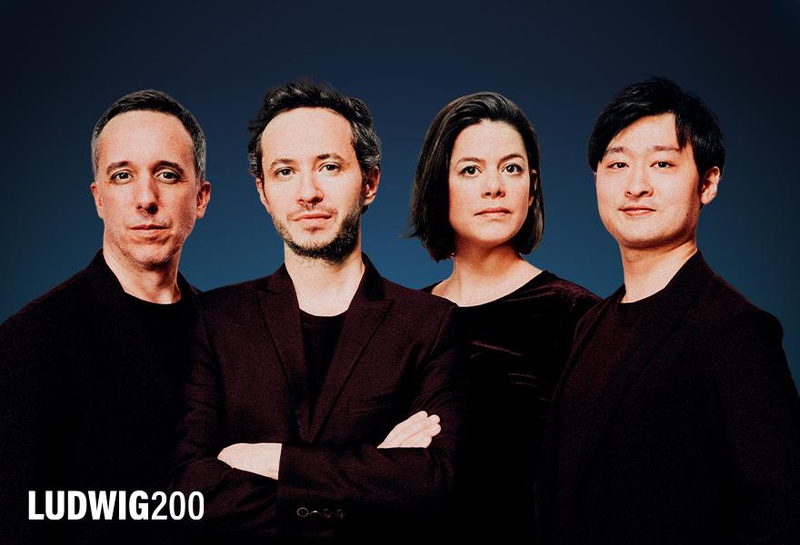
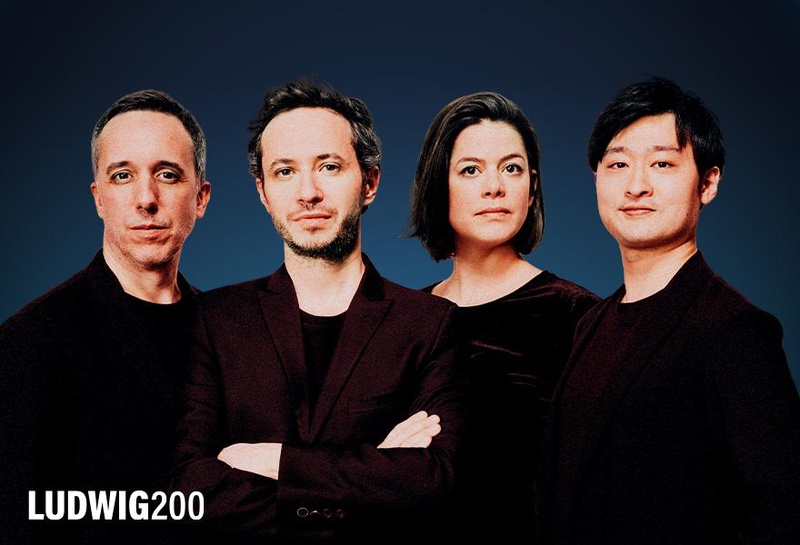
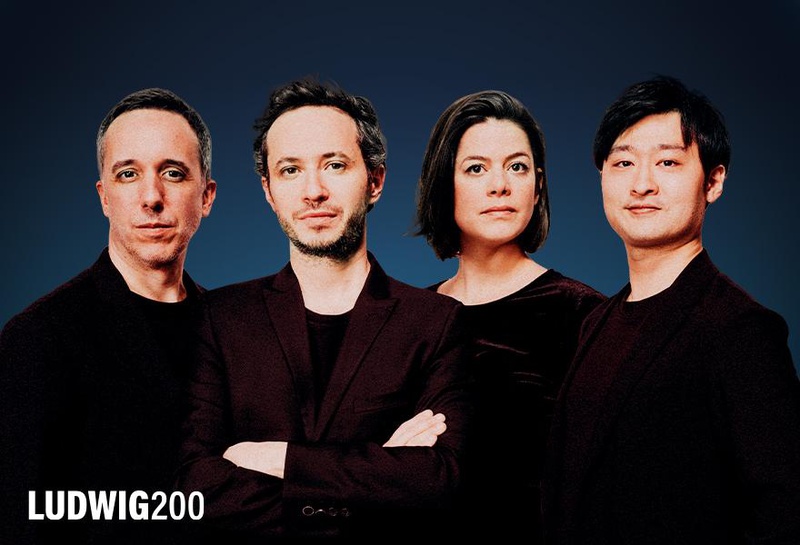
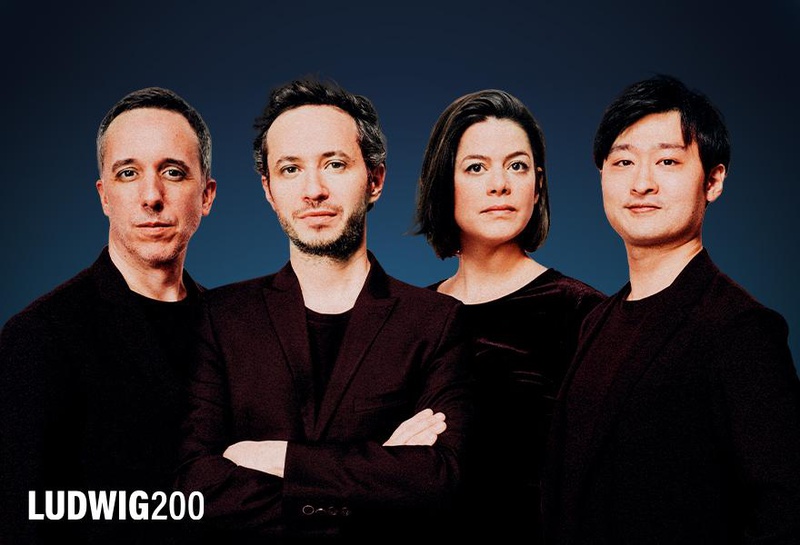
Hearing the complete Beethoven quartets is the experience of a lifetime for musicians and listeners alike. Having completed a first full cycle in 2020, the Quatuor Ébène returns to the task in its new line-up (Pierre Colombet, Gabriel Le Magadure, Marie Chilemme and Yuya Okamoto) for a series of seven exceptional concerts, marking the bicentenary of the German composer’s death.
Programme
LUDWIG VAN BEETHOVEN (1770-1827)
String Quartet No. 6 in B-flat major Op. 18 No. 6
Interval
LUDWIG VAN BEETHOVEN (1770-1827)
String Quartet No. 15 in A minor Op. 132
Evgeny Kissin and Quatuor Ebene play: Shostakovich: Piano Quintet in G Minor, Op. 57: III. Scherzo
Find out more
A penultimate instalment like a clash of the titans. Not an opposition between Quartets No. 6 and No. 15, for despite the time that separates them, the works have much in common, but rather within the pieces themselves, where the most extreme feelings contradict and meet one another. The last work of Beethoven’s first period, No. 6 charms with its immense diversity. Rightly, the Finale has won the favour of posterity. The movement opens with a slowness unheard of at the time, a Malinconia for which the composer noted on the score ‘This piece must be treated with the greatest delicacy’, before embracing unbridled joy. The same meteorology of emotions is found in the Quartet No. 15. The tone of the work is resolutely dark, fragmented, as if awaiting a coming release that arrives in the famous ‘Holy song of thanksgiving of a convalescent to the Deity’. At the most inward moment of the movement, written by Beethoven after recovering from a serious intestinal illness, the manuscript reads: ‘with the most intimate feeling’. A military march then brings us back to the harsh realities of life, before a Finale oscillating between despair and consecration. In the company of the Quatuor Ébène, this concert takes us to the heart of the human soul.