QUATUOR ÉBÈNE
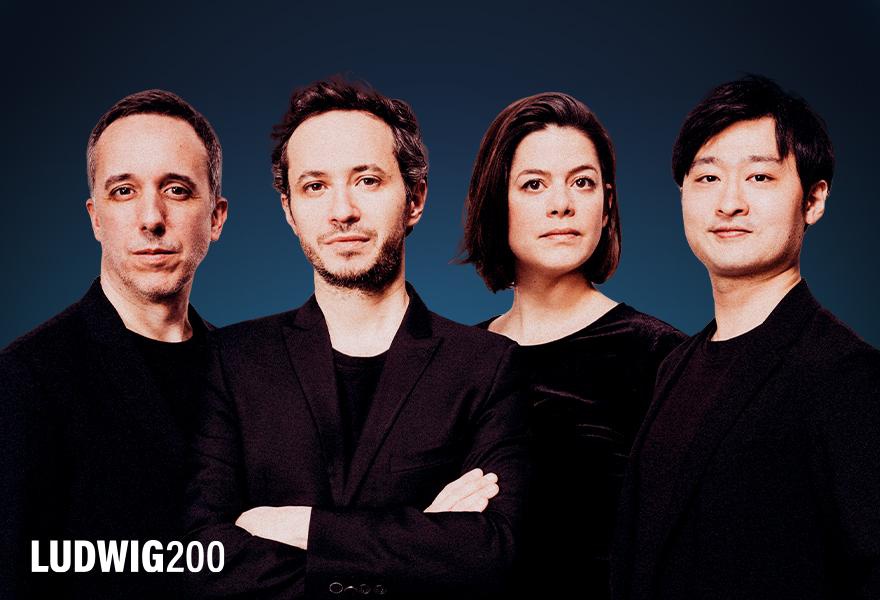
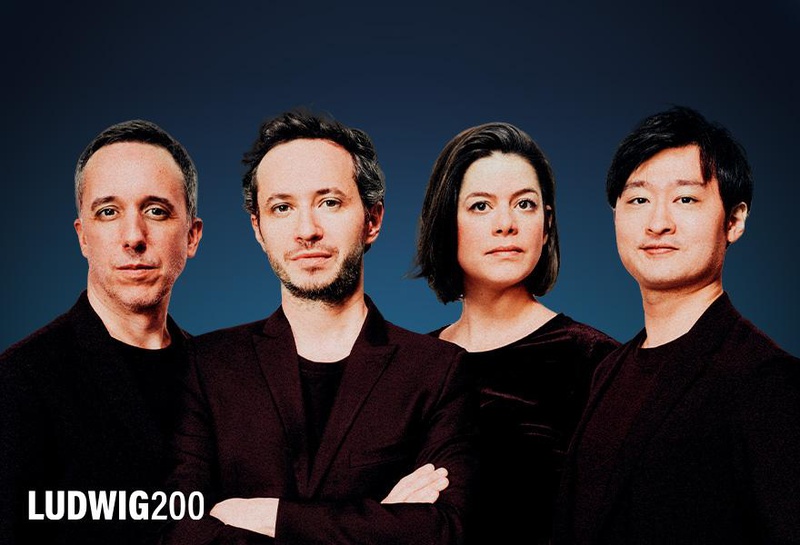
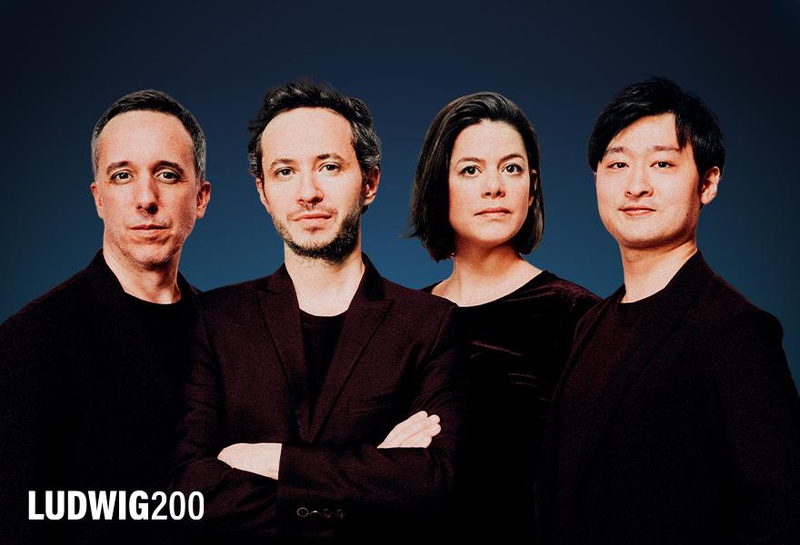
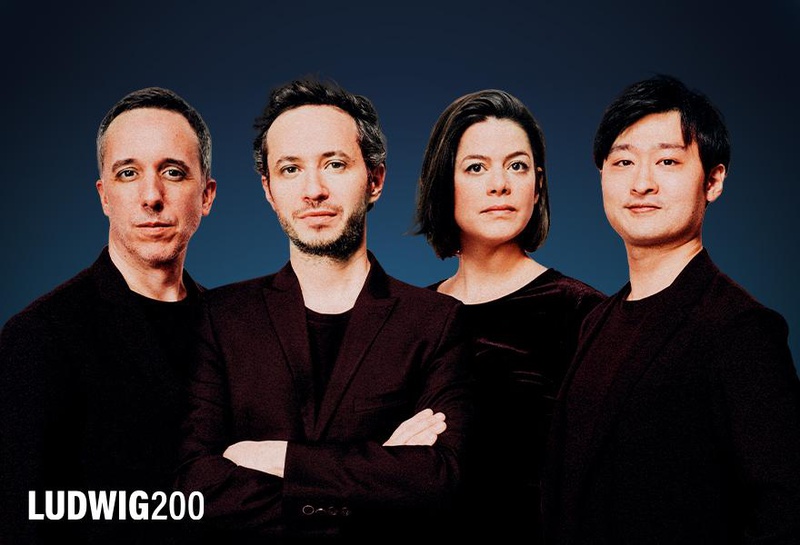
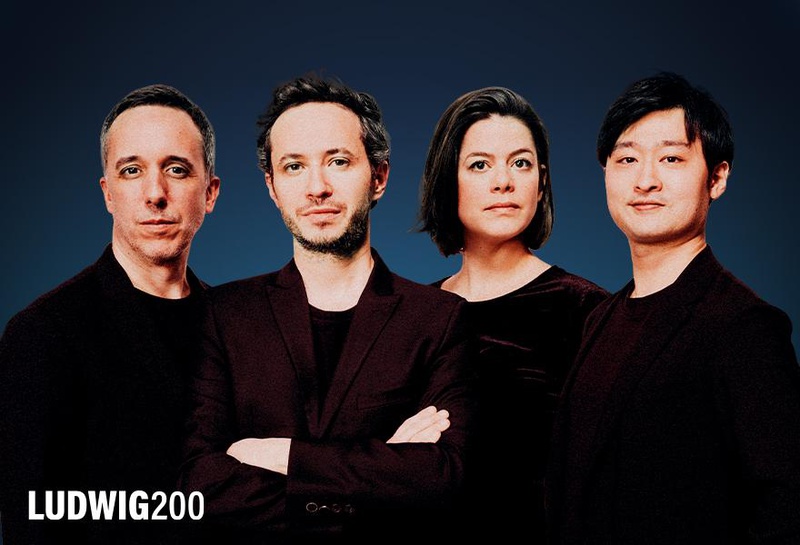
Hearing the complete Beethoven quartets is the experience of a lifetime for musicians and listeners alike. Having completed a first full cycle in 2020, the Quatuor Ébène returns to the task in its new line-up (Pierre Colombet, Gabriel Le Magadure, Marie Chilemme and Yuya Okamoto) for a series of seven exceptional concerts, marking the bicentenary of the German composer’s death.
Programme
LUDWIG VAN BEETHOVEN (1770-1827)
String Quartet No. 2 in G major Op. 18 No. 2
String Quartet No. 16 in F major Op. 135
Interval
LUDWIG VAN BEETHOVEN (1770-1827)
String Quartet No. 14 in C-sharp minor Op. 131
Evgeny Kissin and Quatuor Ebene play: Shostakovich: Piano Quintet in G Minor, Op. 57: III. Scherzo
Find out more
A conclusion like an apotheosis. For this final instalment of the cycle, the Quatuor Ébène presents two absolute summits, No. 14, sometimes regarded as Beethoven’s greatest works, and the final No. 16 whose shadow extends over the whole of the twentieth century and our own time. By way of preamble, the Ébène play the delightful No. 2 which follows in the wake of Haydn. Nicknamed the ‘Compliments’ quartet, the work takes us from the splendour of a Baroque court to the energy of a folk dance. One of the composer’s last completed scores, the Quartet No. 16 is at once the most serene and the most mysterious of the entire corpus. The inscription on the manuscript of the finale has become legendary: ‘Muss es sein? Es muss sein!’. What was originally, it seems, merely a joke about a loan to be repaid, becomes in Beethoven’s hands a metaphysical reflection on artistic creation and the purpose of existence. Honour where honour is due, the Quatuor Ébène brings the cycle to a glorious close with No. 14, which has aroused the awestruck admiration of musicians for nearly two centuries. By now, Beethoven no longer cares about his contemporaries. Writing for himself, he links in seven seamless movements the whole range of human feelings. Must one attend the Ébène’s concert? Yes, one must!